Between Tide and Silence

2026-03-14


When the tide retreats, the shoreline reveals a quiet world of textures, shells and fleeting patterns — a landscape that only appears when you slow down and begin to look closer.

The Quiet World of Low Tide

There are places that are loud, full of movement, people, and subjects that practically demand to be photographed. And then there is the shoreline at low tide. At first glance, nothing seems to happen here. The beach feels empty, quiet, almost uneventful. But that apparent emptiness is precisely what makes it interesting. When the water retreats, it reveals a different kind of landscape, one that most visitors rarely notice. While many photographers wait for dramatic sunsets, crashing waves, or distant lighthouses, an entirely different world lies right at their feet. It is a world that only becomes visible when you slow down, kneel down, and begin to look closely. The beach stops being a wide landscape and becomes something else entirely: a microcosm filled with textures, shapes, and small traces left behind by the sea.

The Traces Left by the Ocean

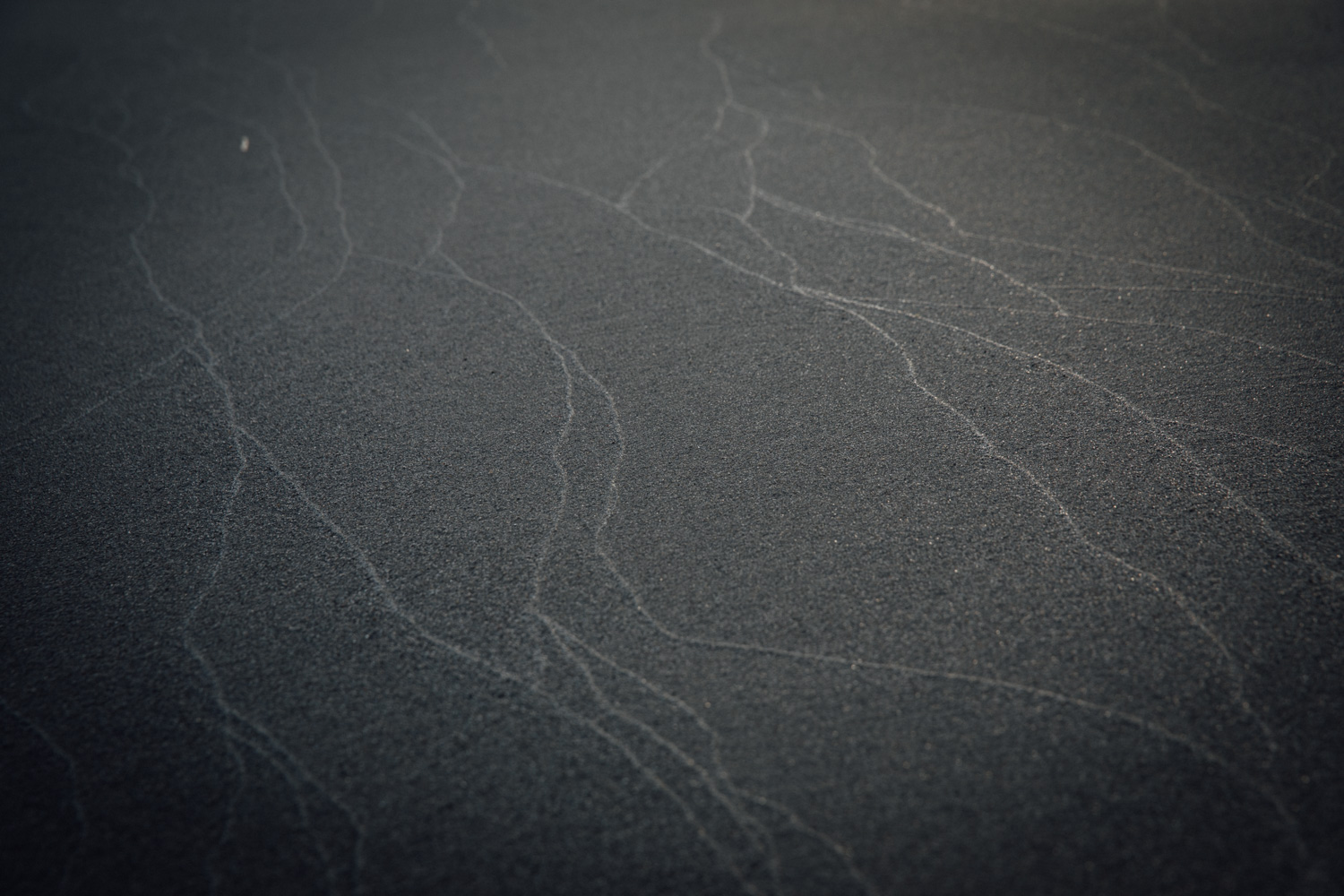
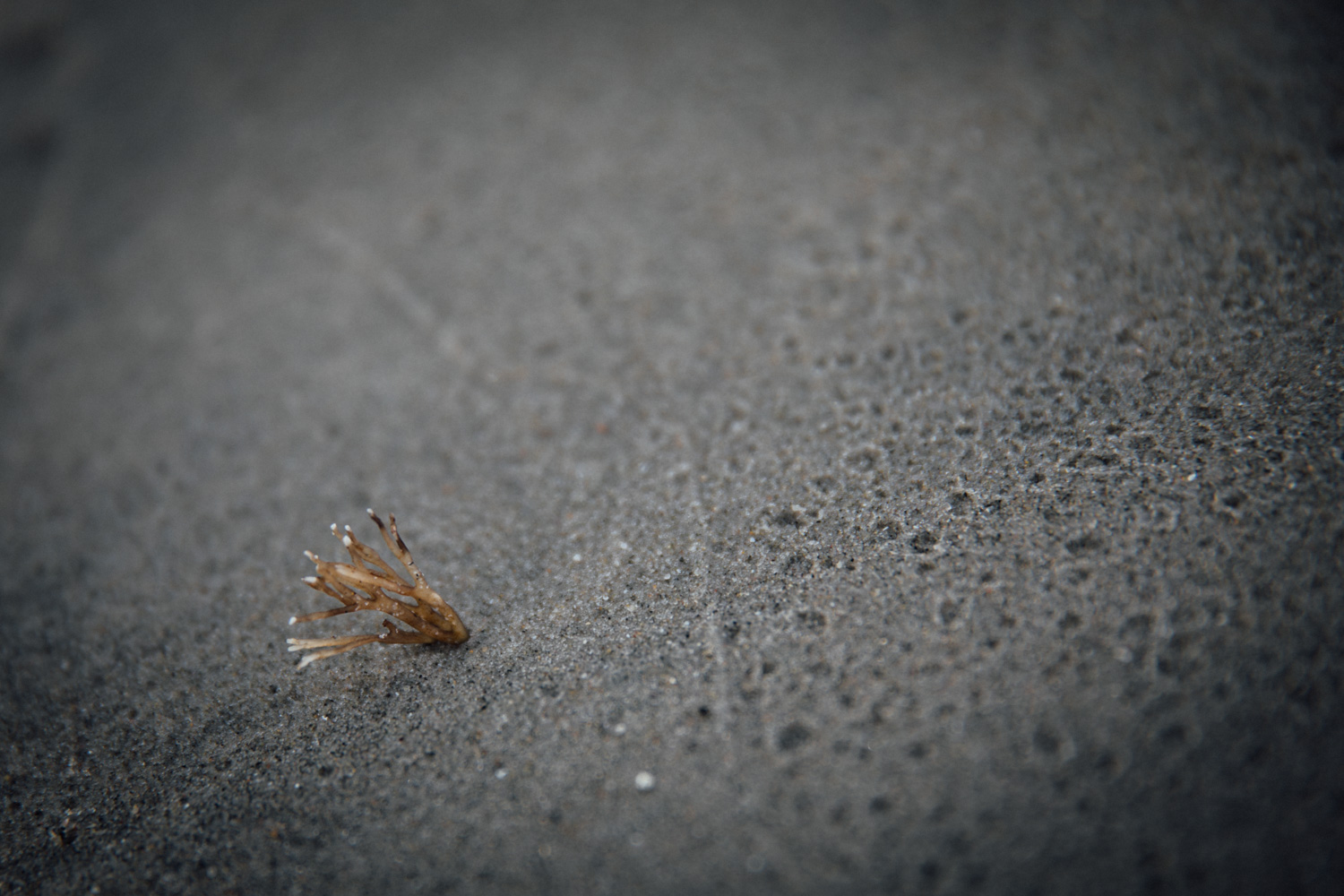
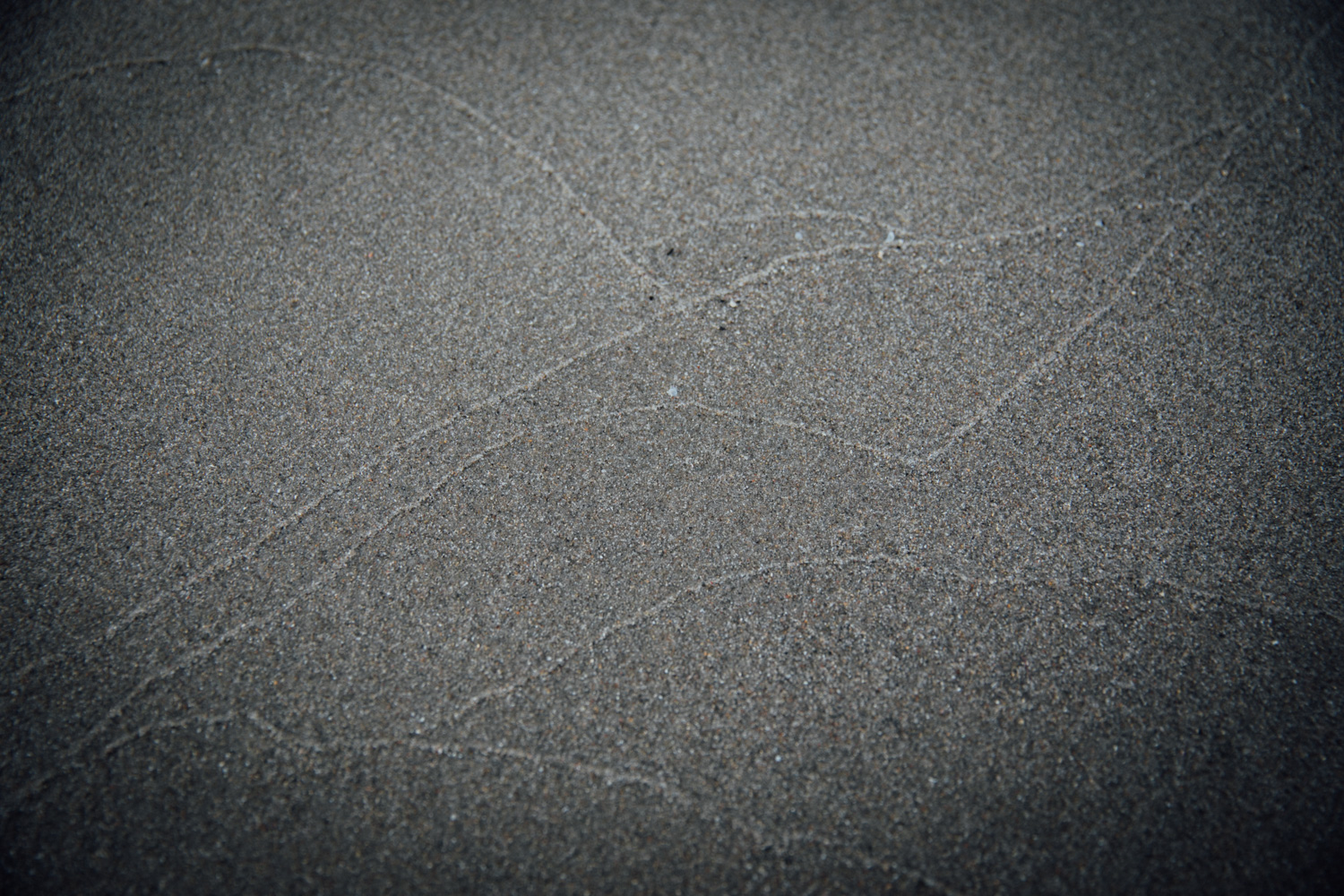
As the tide pulls back, the ocean leaves subtle patterns in the sand. Fine lines appear where the last wave touched the shore, tiny channels form where water slowly finds its way back toward the sea, and delicate textures spread across the surface like drawings that exist only for a brief moment. These patterns are temporary. They may survive for an hour, sometimes only minutes, before the next tide erases them completely. There is something strangely meditative about this. It reminds us that landscapes are not fixed or permanent. They are constantly being reshaped. The shoreline is not simply a location on a map; it is a continuous process of change. For photography this means working with subjects that may vanish at any moment. The same piece of sand, the same rock, or the same patch of seaweed may look entirely different just a short time later.

Small Relics of the Sea

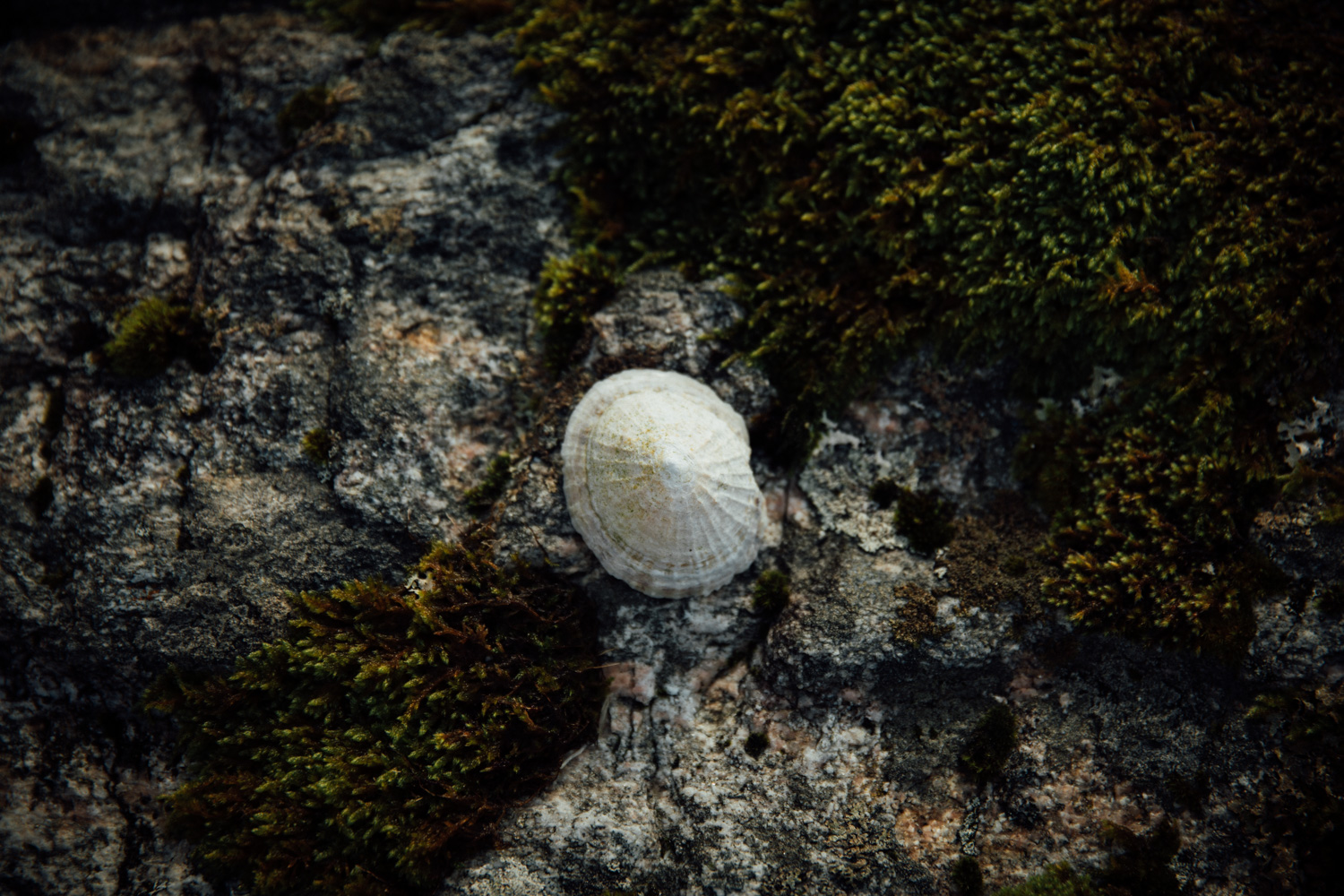
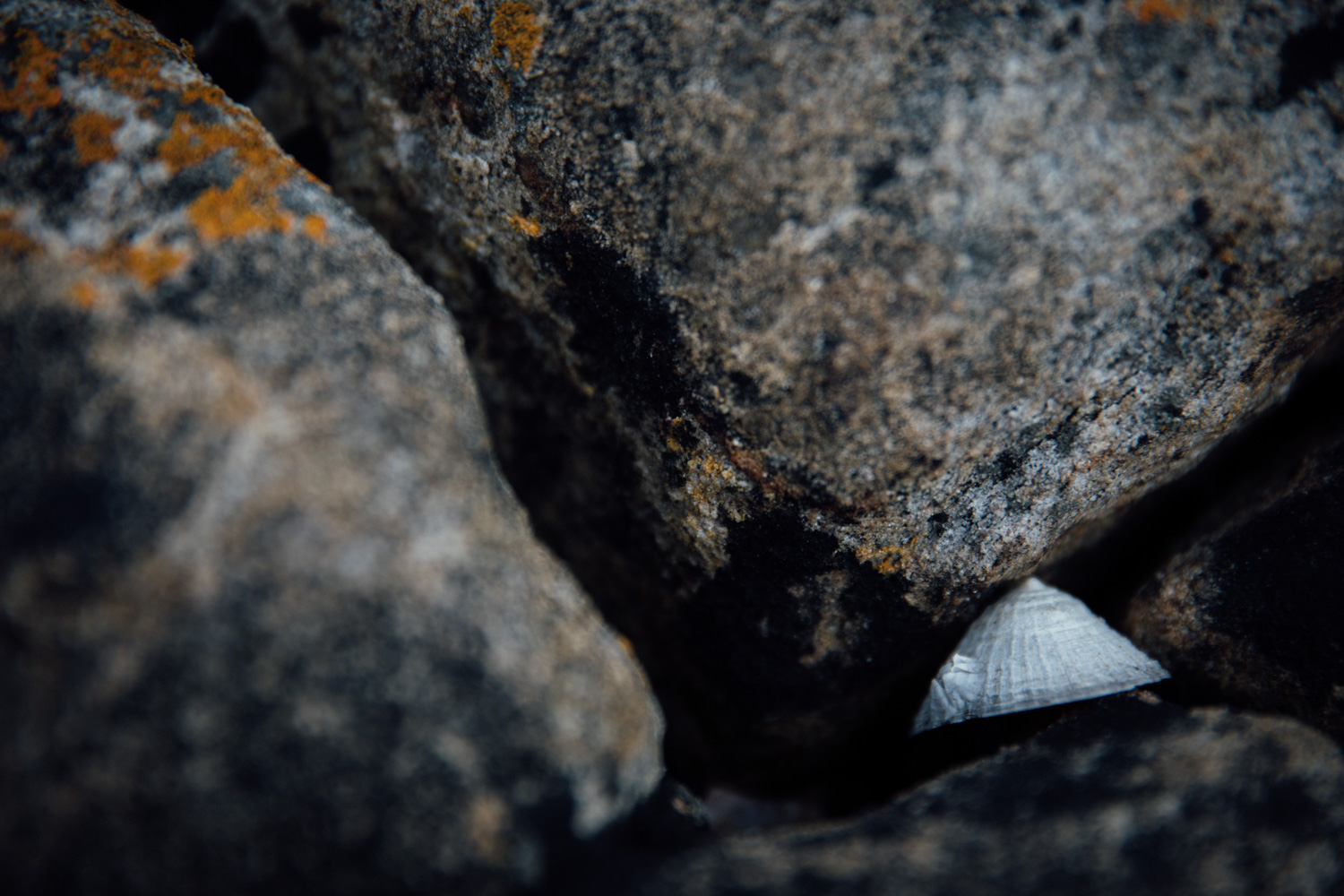
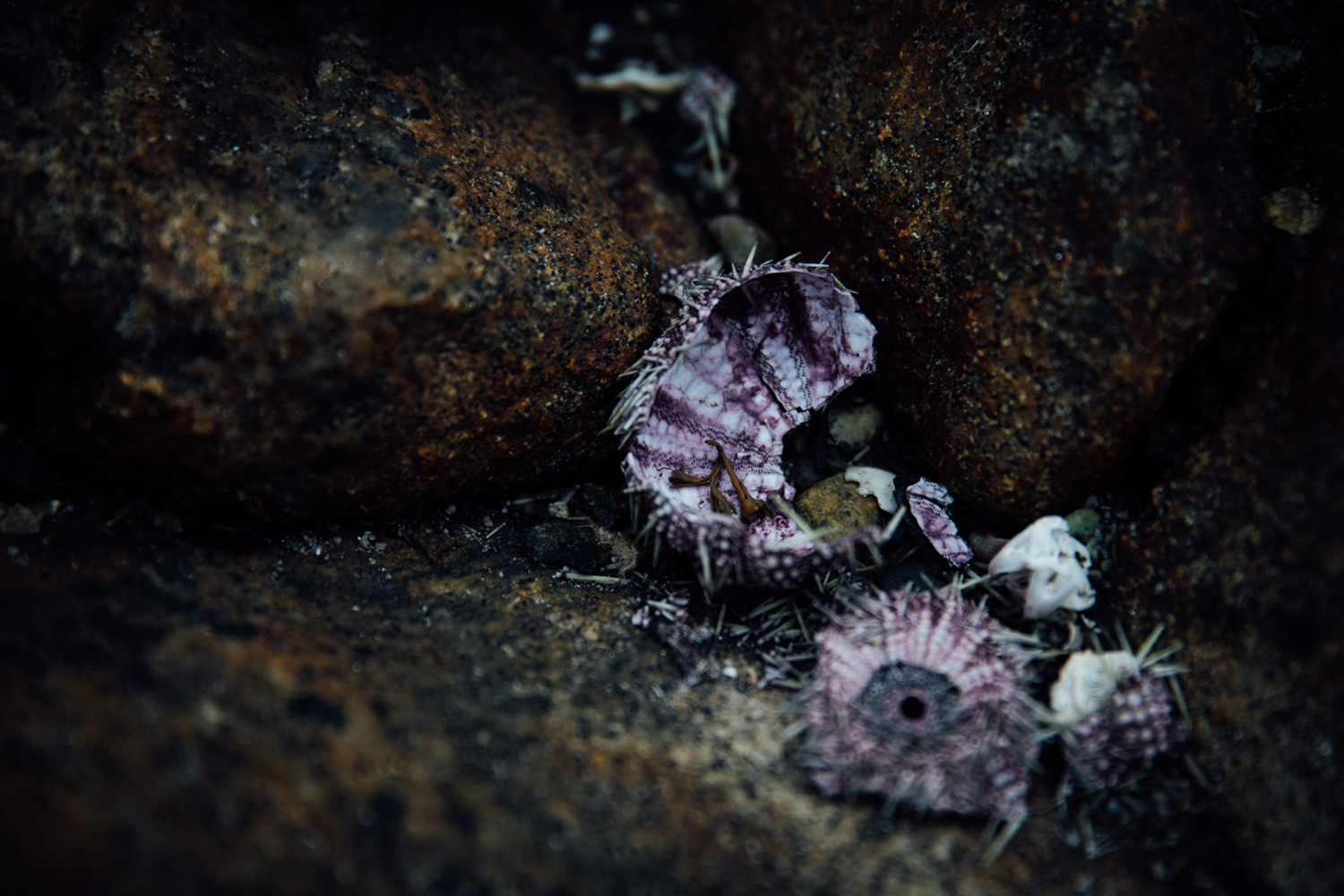
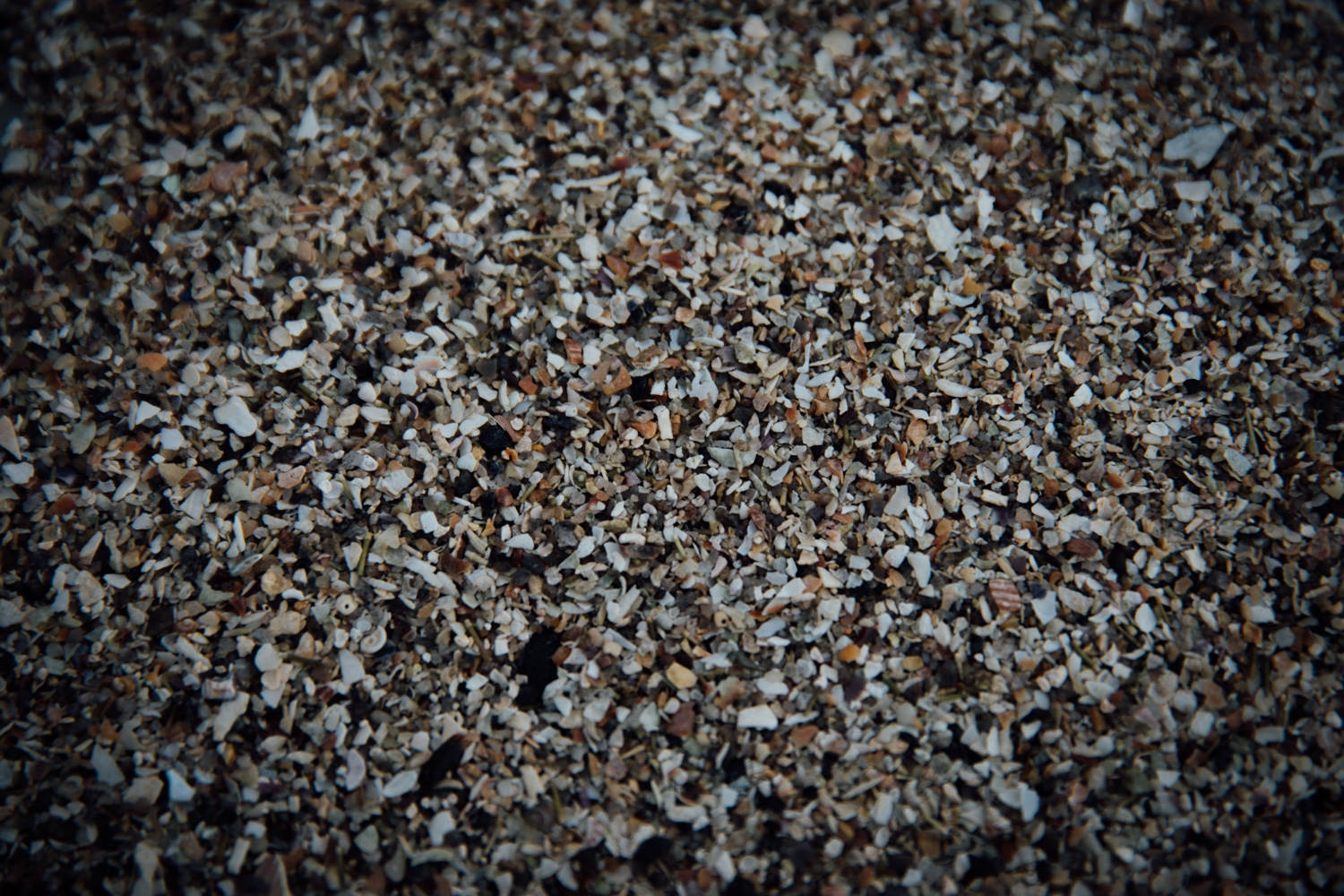
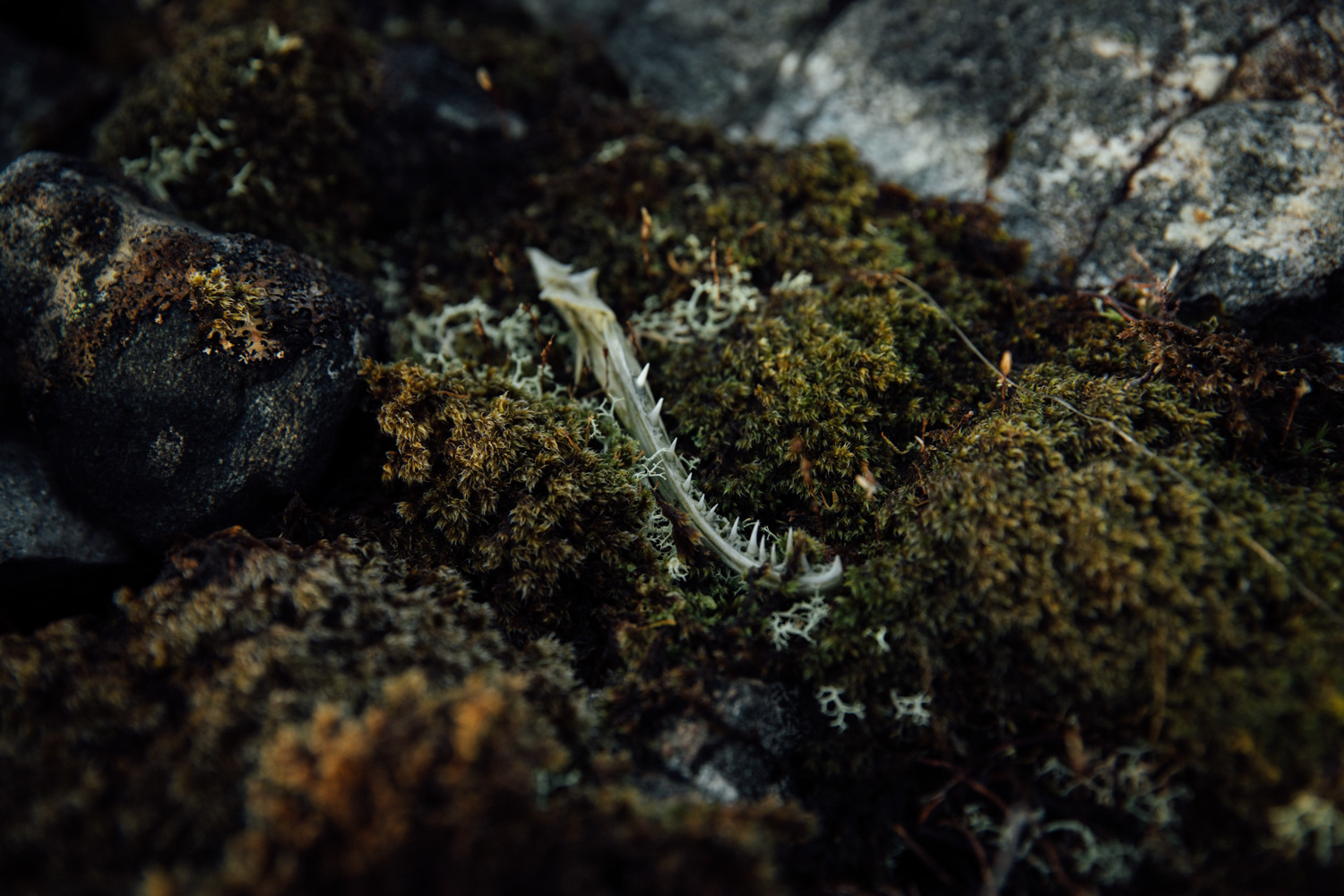
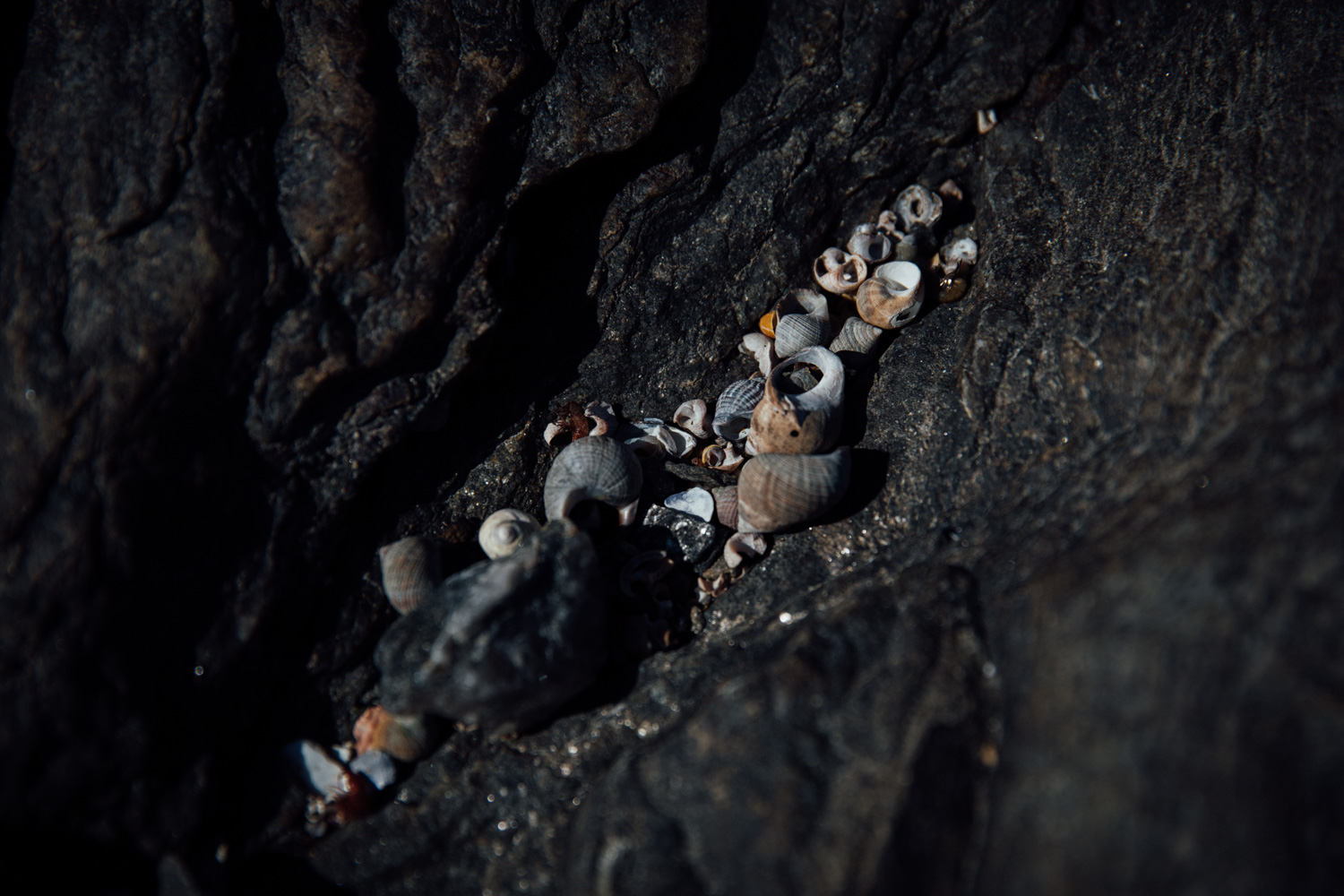
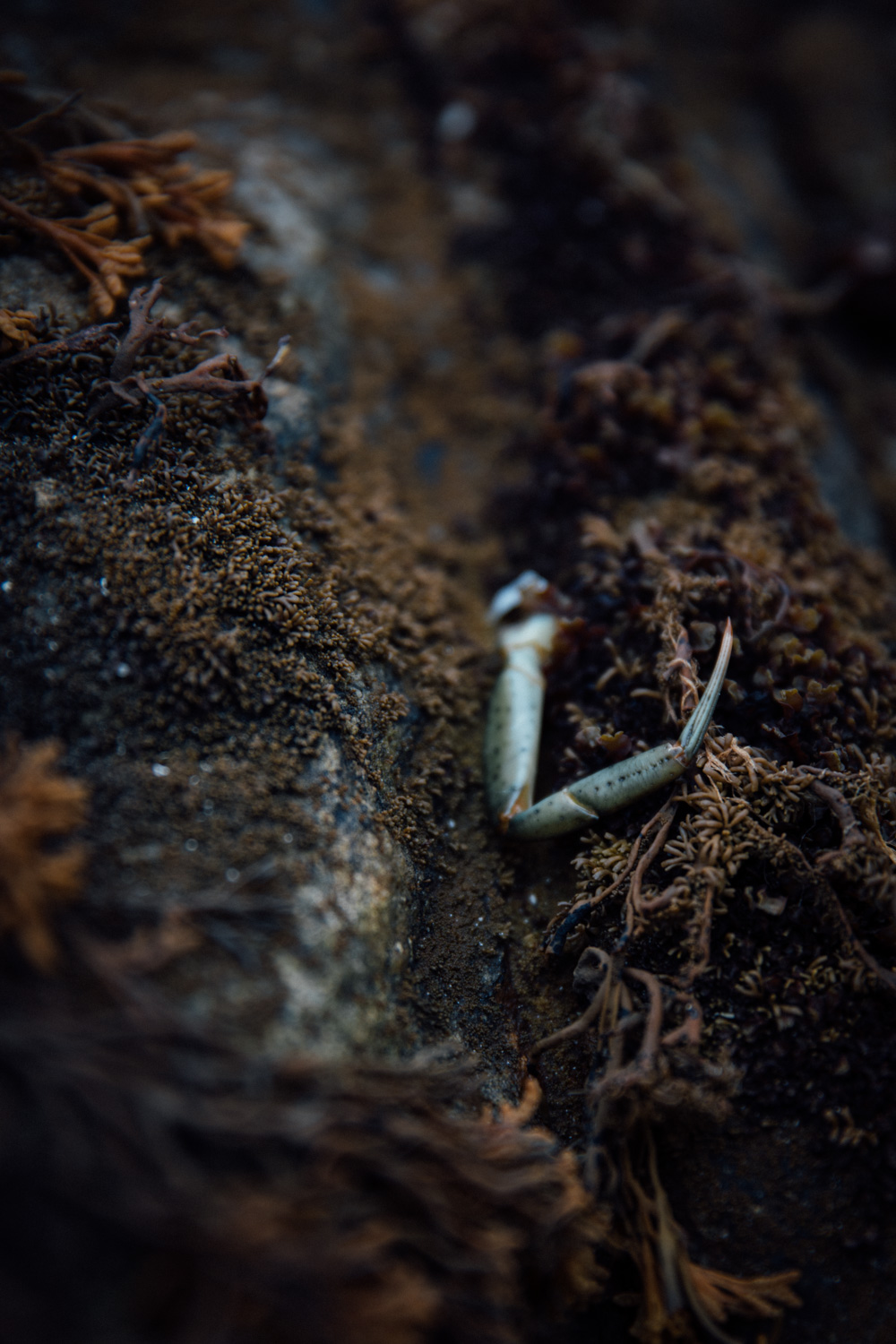
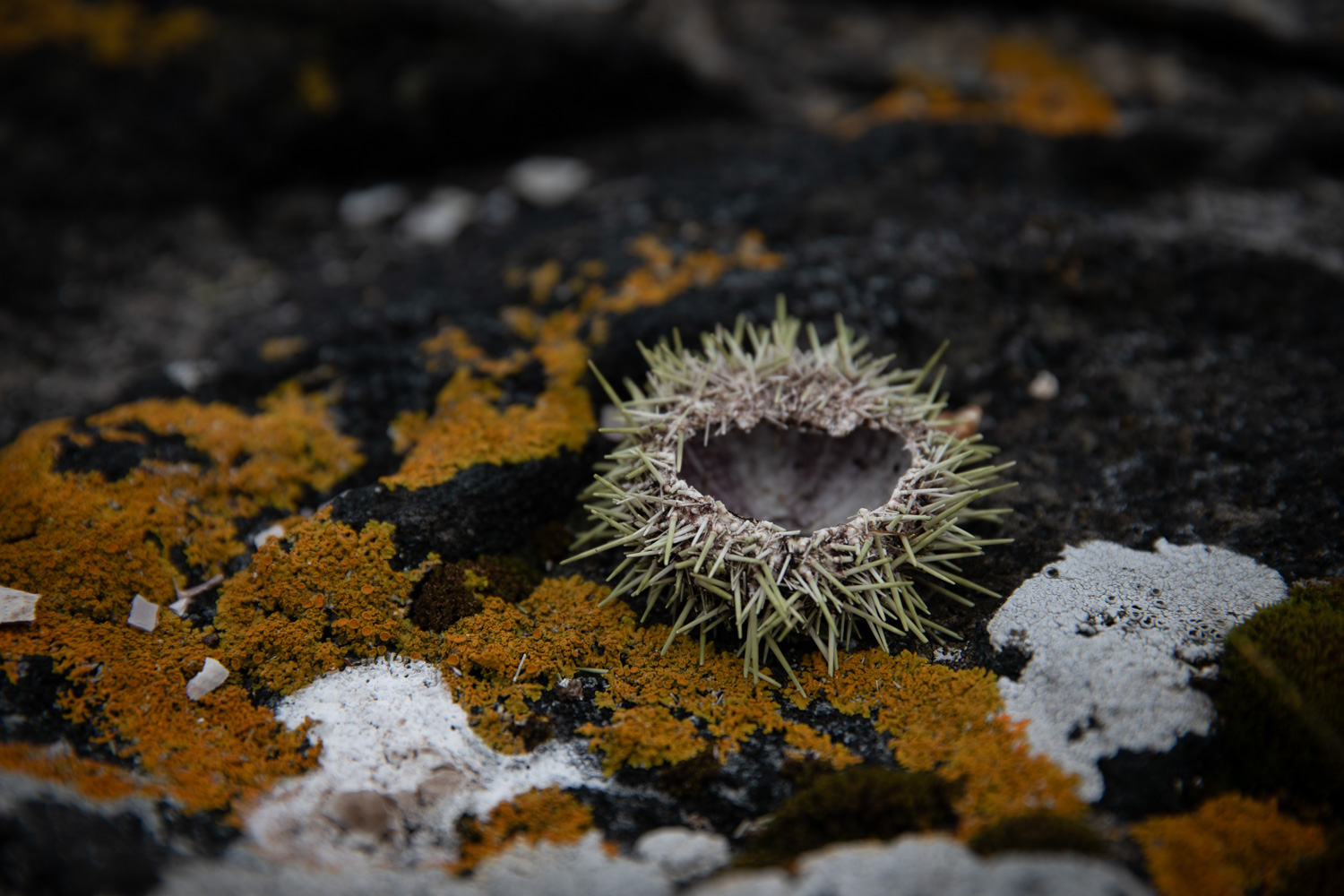
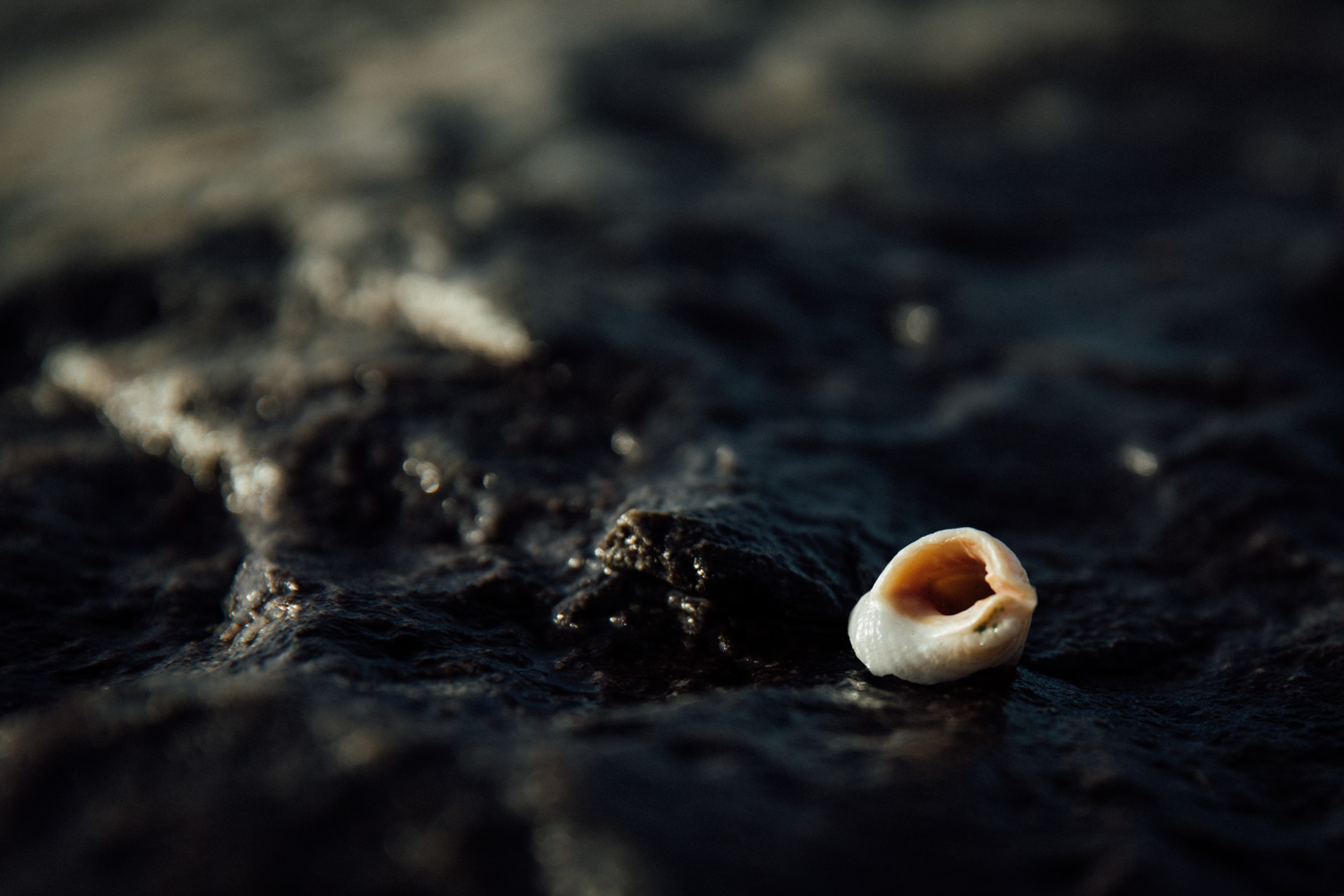
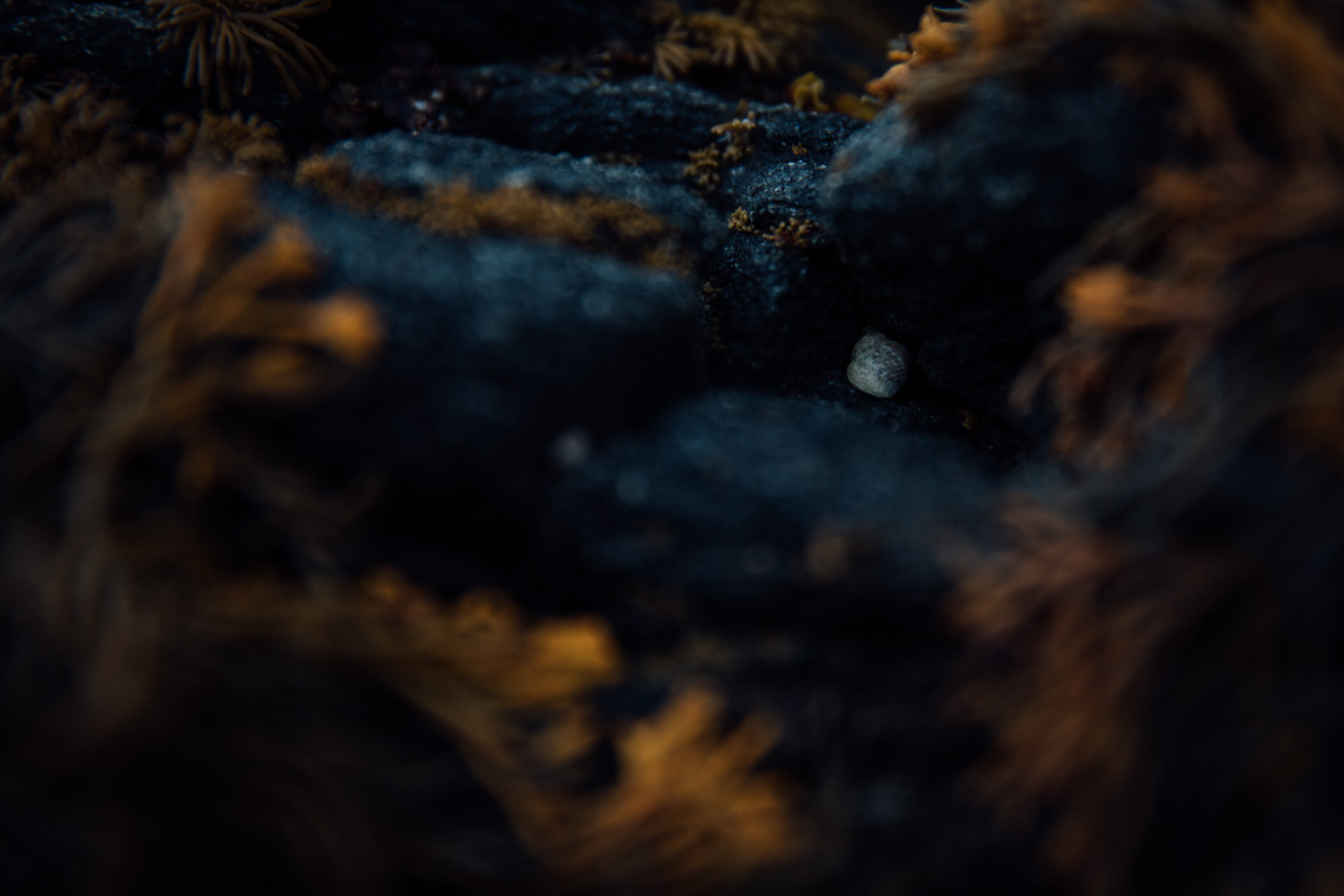
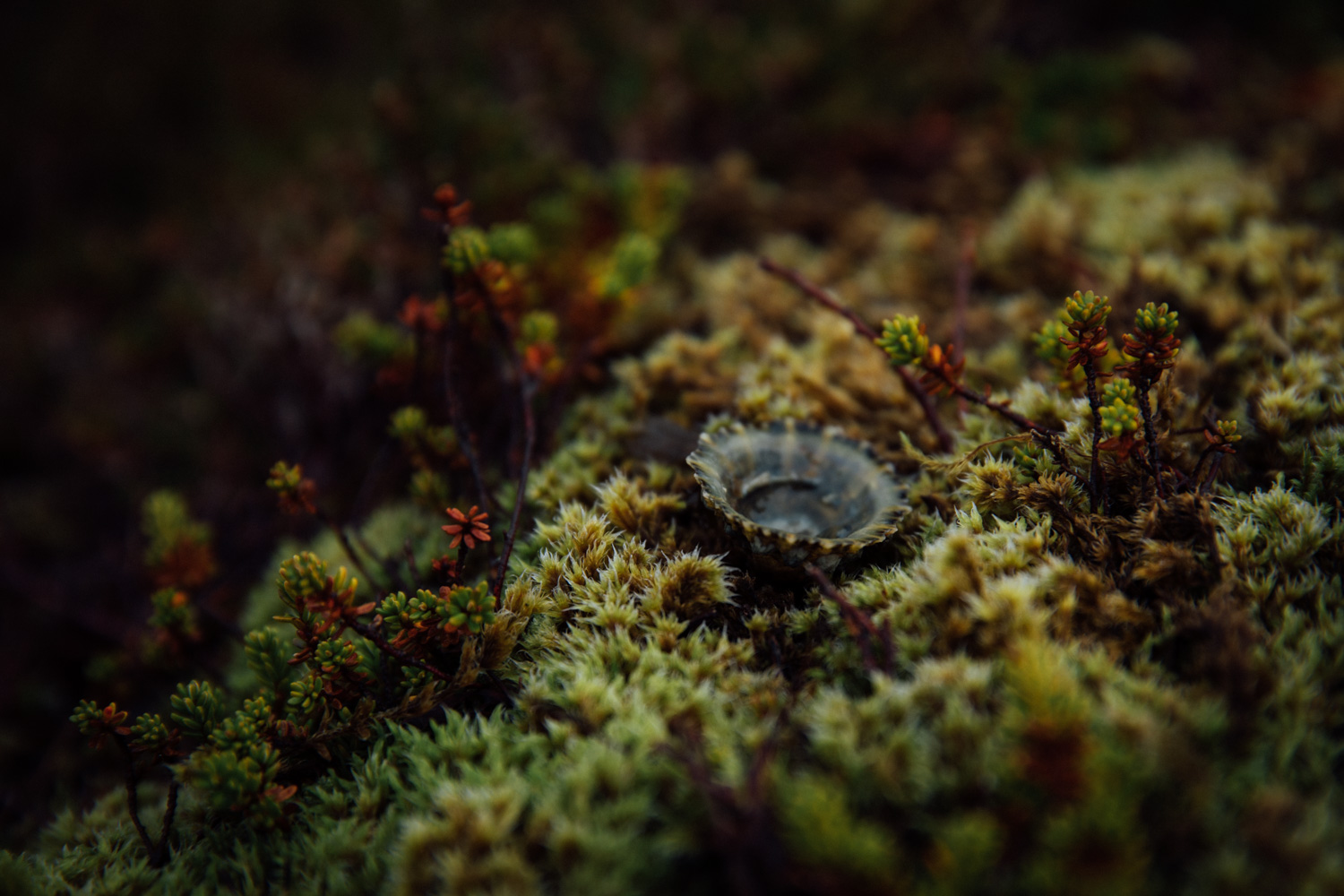
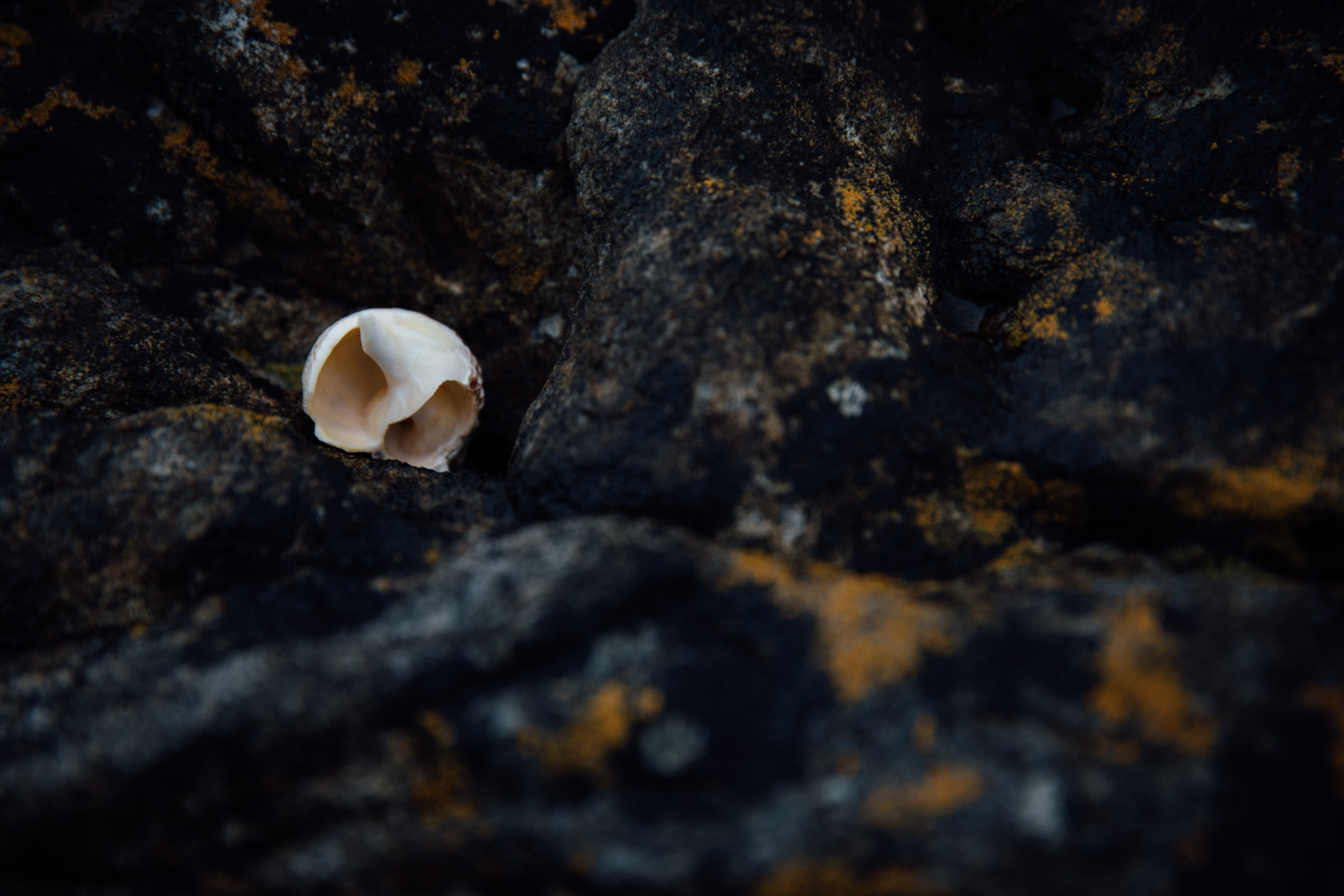
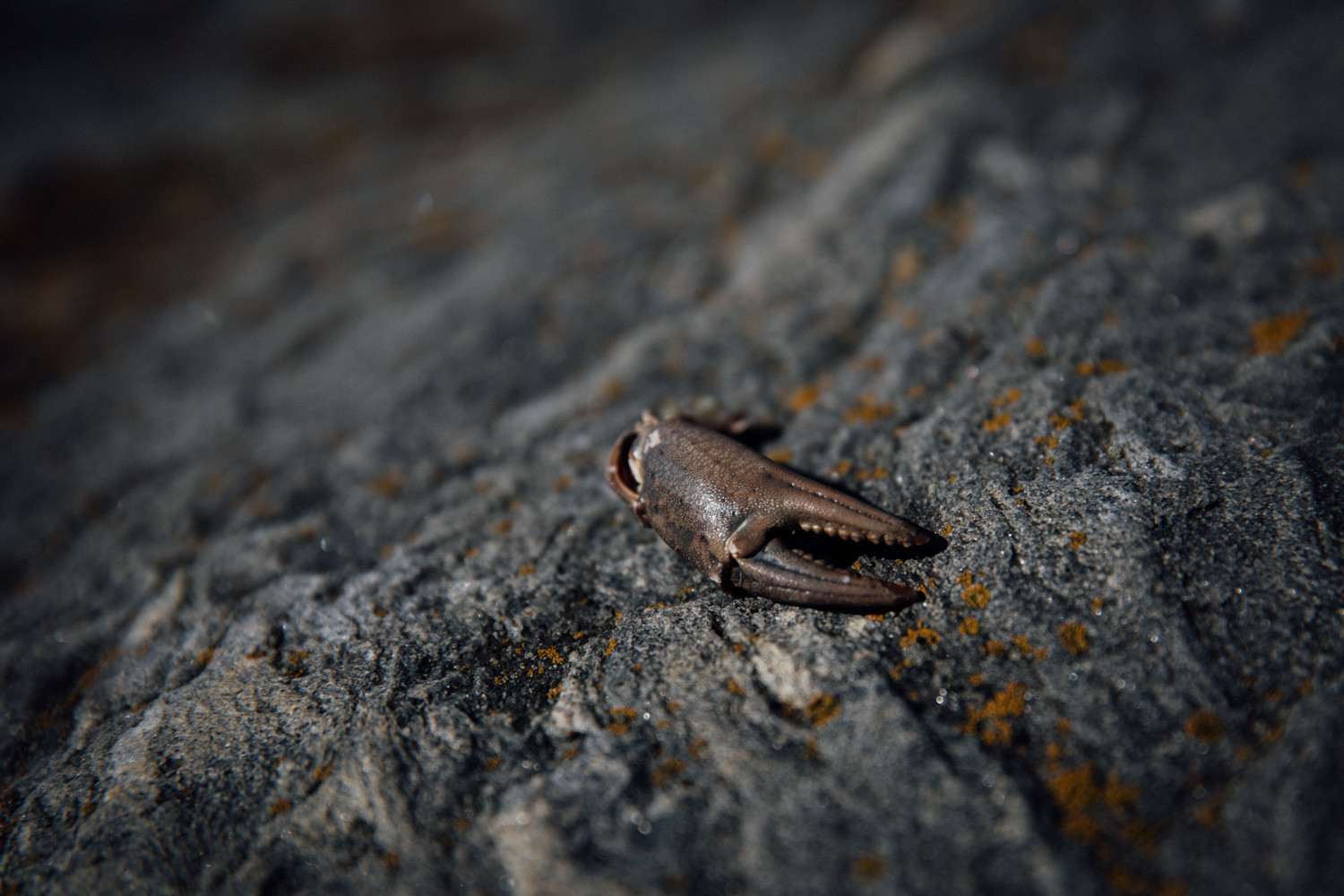
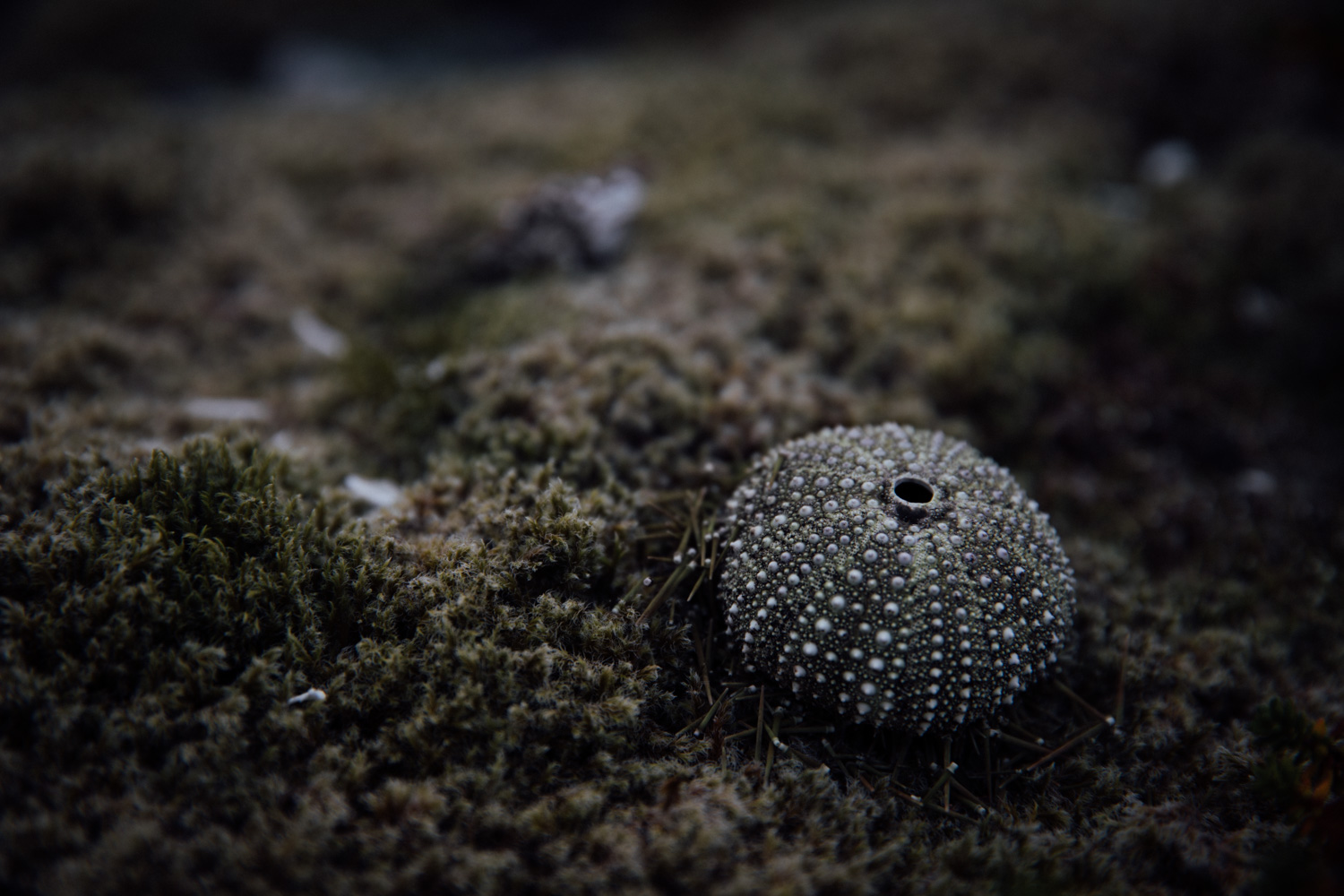
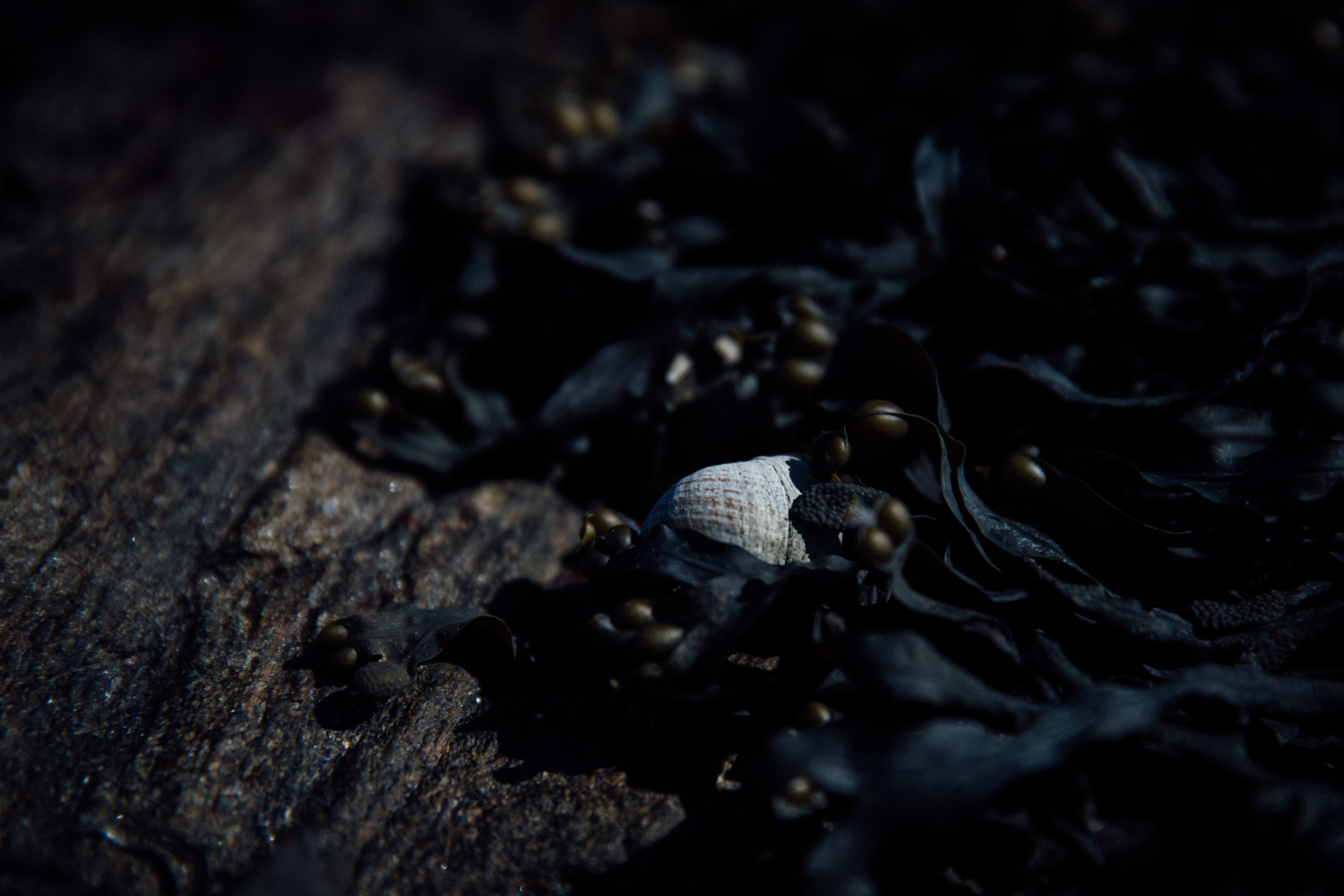
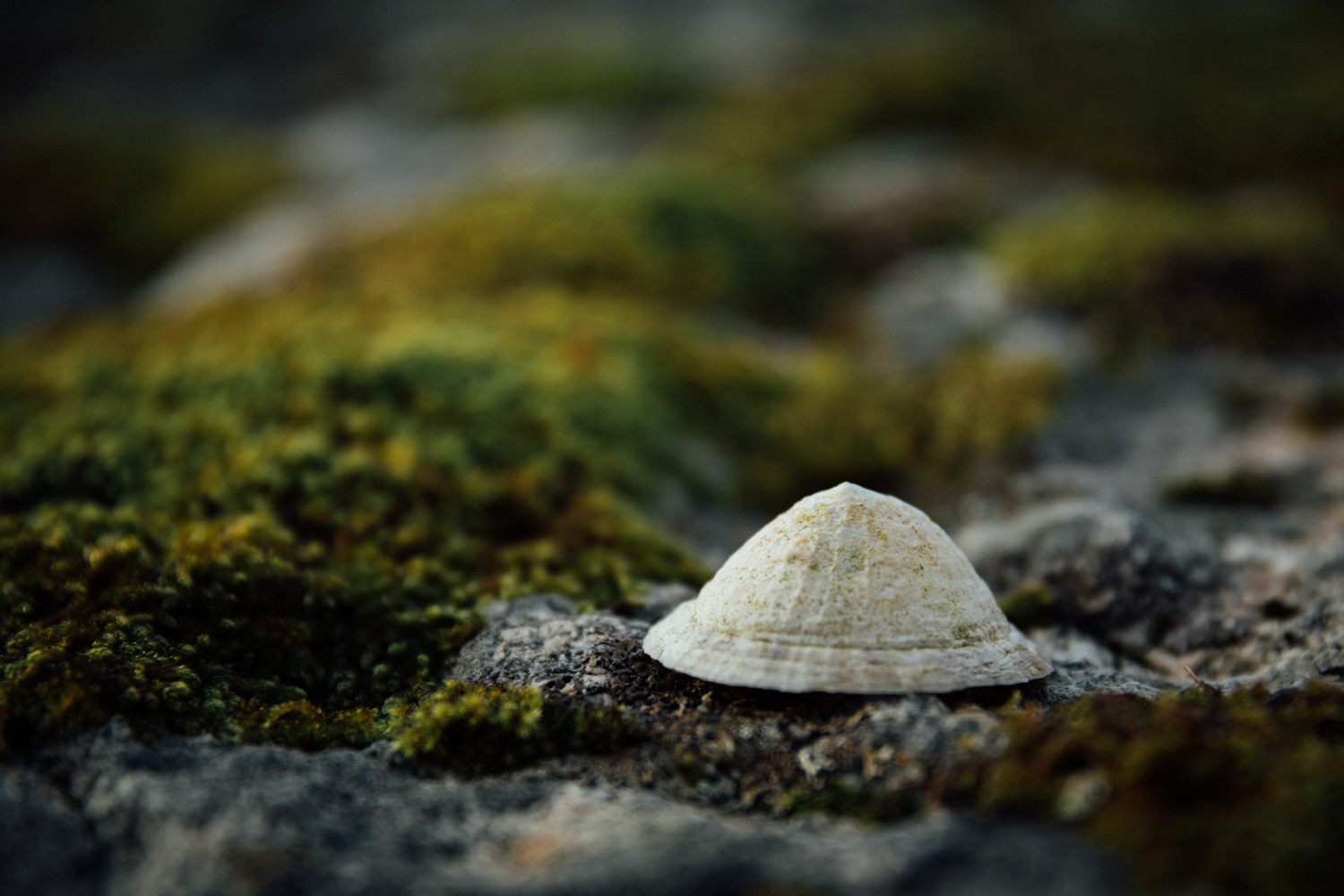
Scattered among rocks, algae, and damp sand lie the small relics of the ocean. Shells, fragments of shells, snail houses, sea urchins, and sometimes the delicate remains of sea creatures slowly uncovered by the retreating water. Occasionally something unexpected appears, such as the fragile skeleton of a fish, bleached and intricate, almost sculptural in its structure. At first glance these objects may seem insignificant. They are small, sometimes broken, often partially buried or tangled in seaweed. Yet this modesty is exactly what makes them compelling photographic subjects. When isolated from their surroundings, these tiny objects begin to feel monumental. A single shell resting on dark rock can suddenly carry the entire image. A fragment of bone or the curved form of a sea urchin becomes an anchor point within the frame, surrounded by quiet textures and soft shadows. Photography has a curious way of revealing the importance of things we would normally ignore.

The Unexpected Beauty of Seaweed

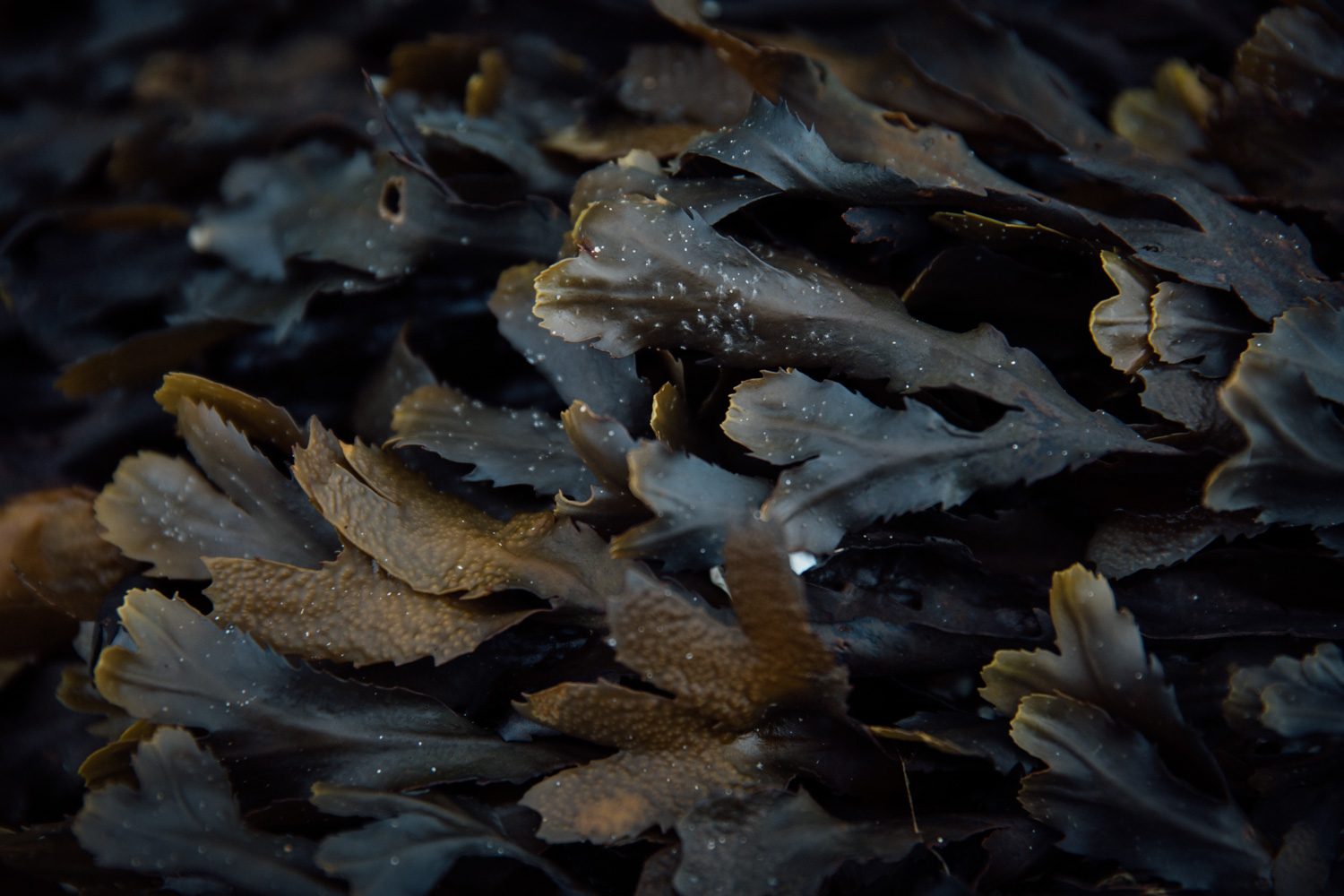
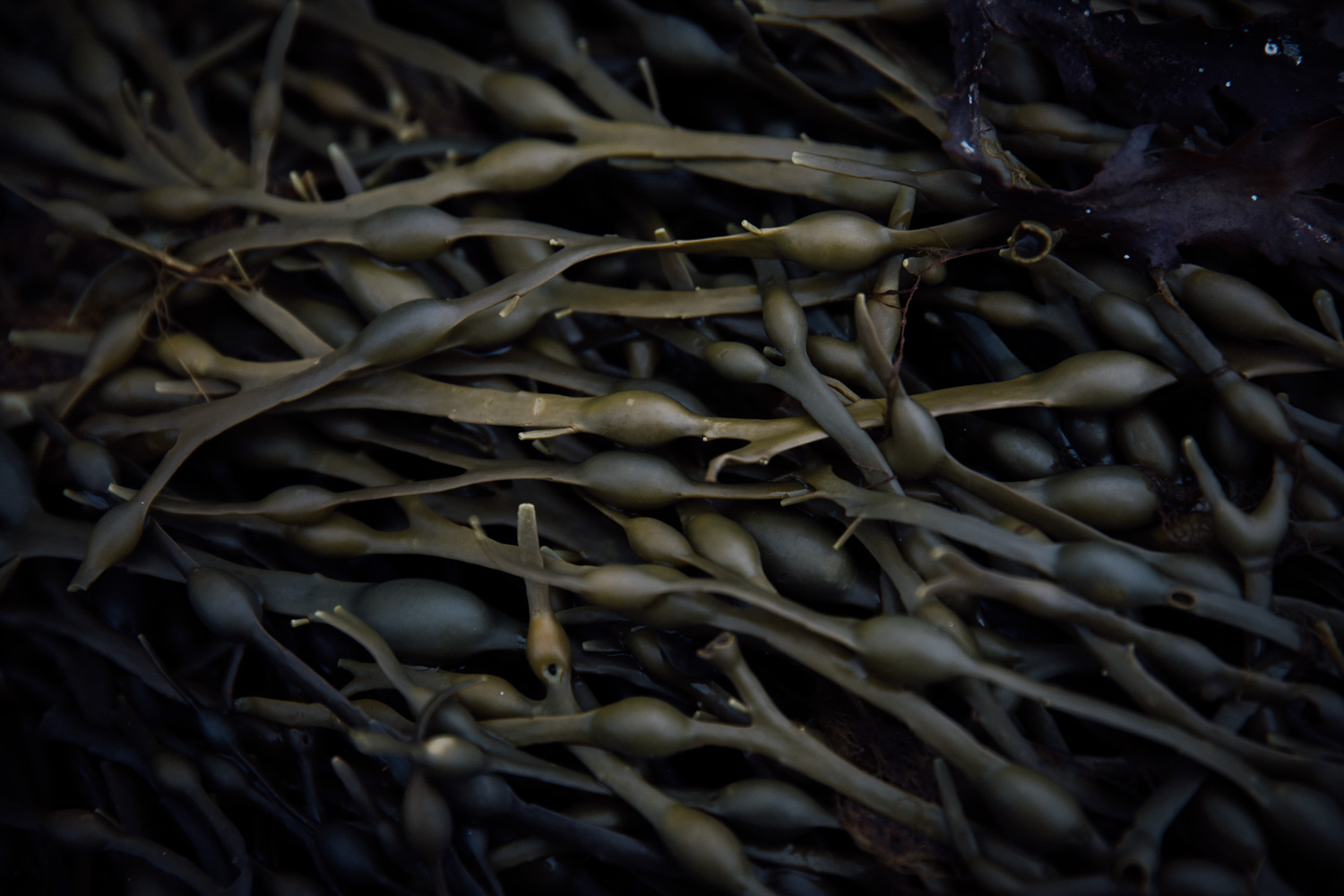
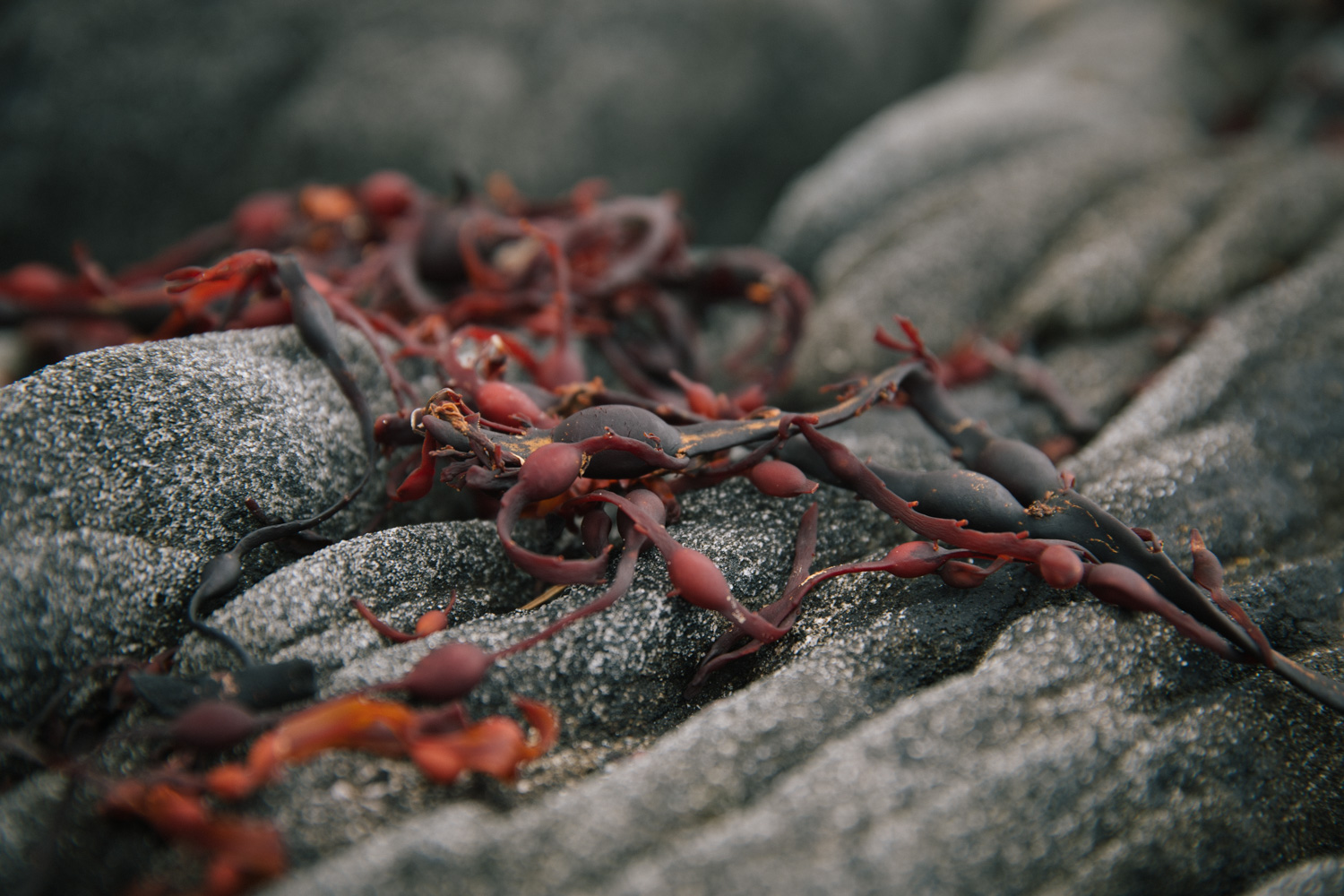
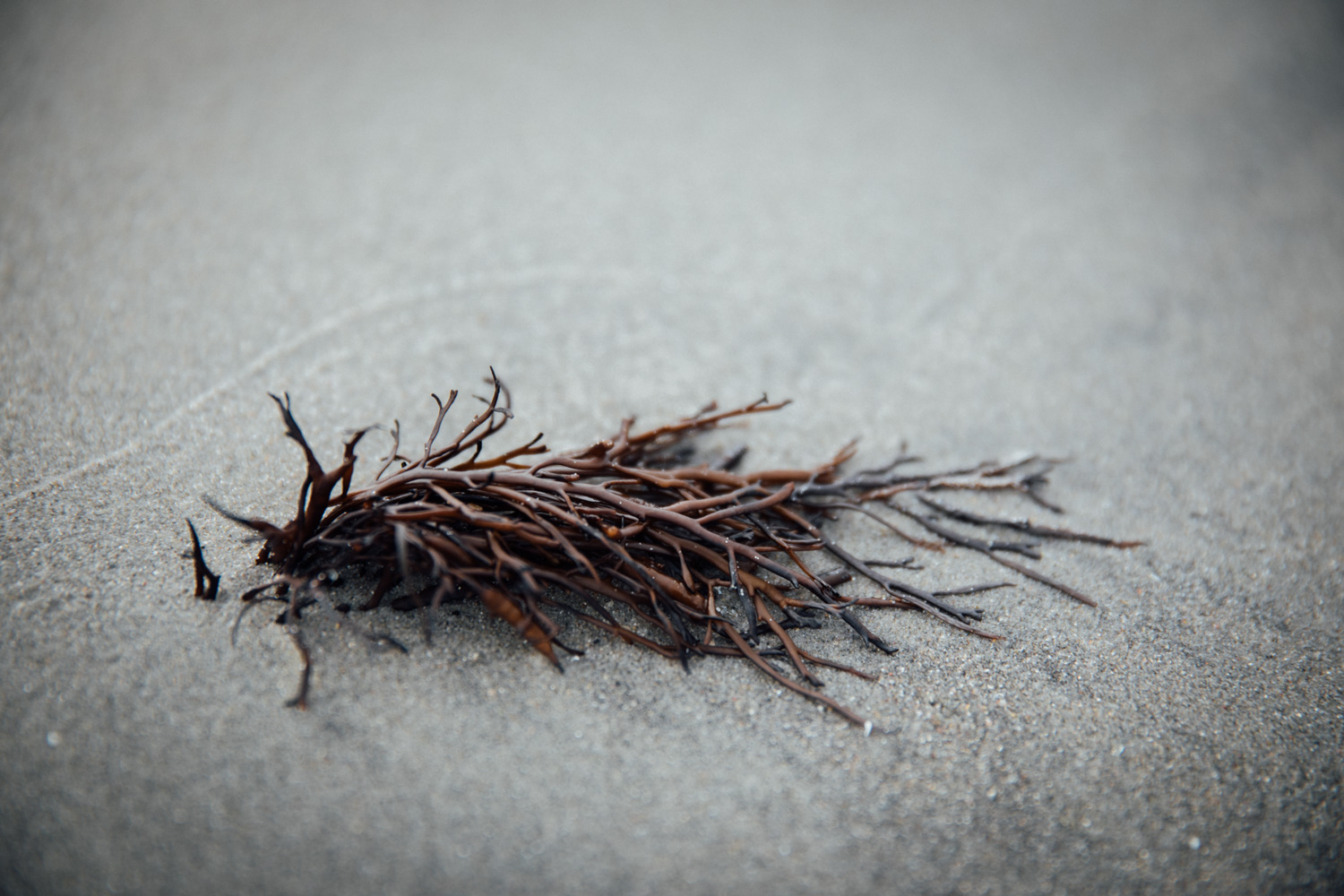
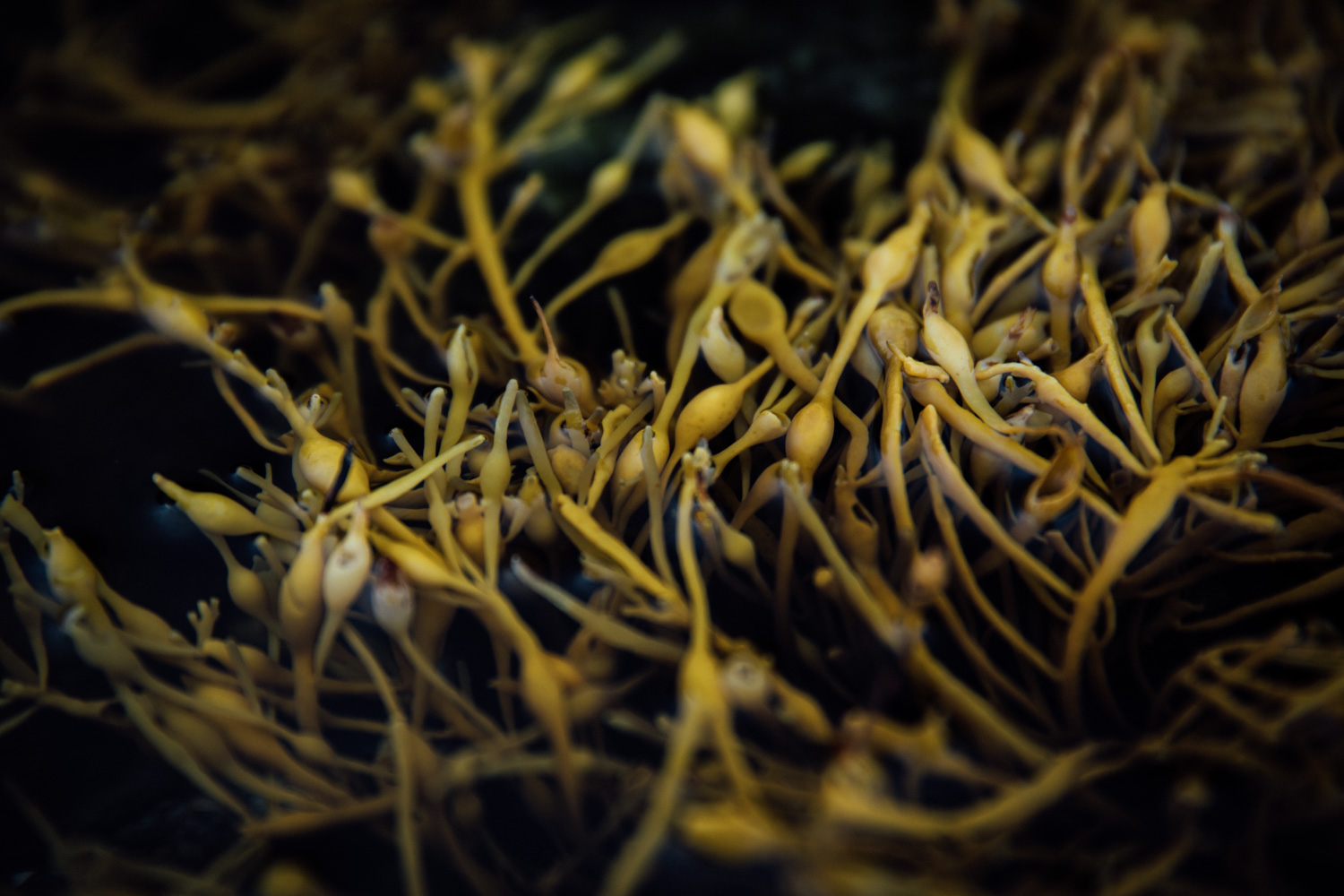
Seaweed is something most beach visitors prefer to avoid. For photographers, however, it can become one of the most fascinating elements along the shoreline. Its long organic shapes form natural lines within the frame, creating rhythm and structure. Bulbous air pockets catch the light, glossy surfaces reflect subtle highlights, and deep green or brown tones introduce complex color variations. When the light moves low across the beach, especially during early morning or late afternoon, these forms begin to glow softly. What previously looked like a random pile of algae suddenly transforms into a network of lines and patterns. At that moment the photograph is no longer about seaweed itself. It becomes about form, movement, and abstraction.

The Power of Simplicity

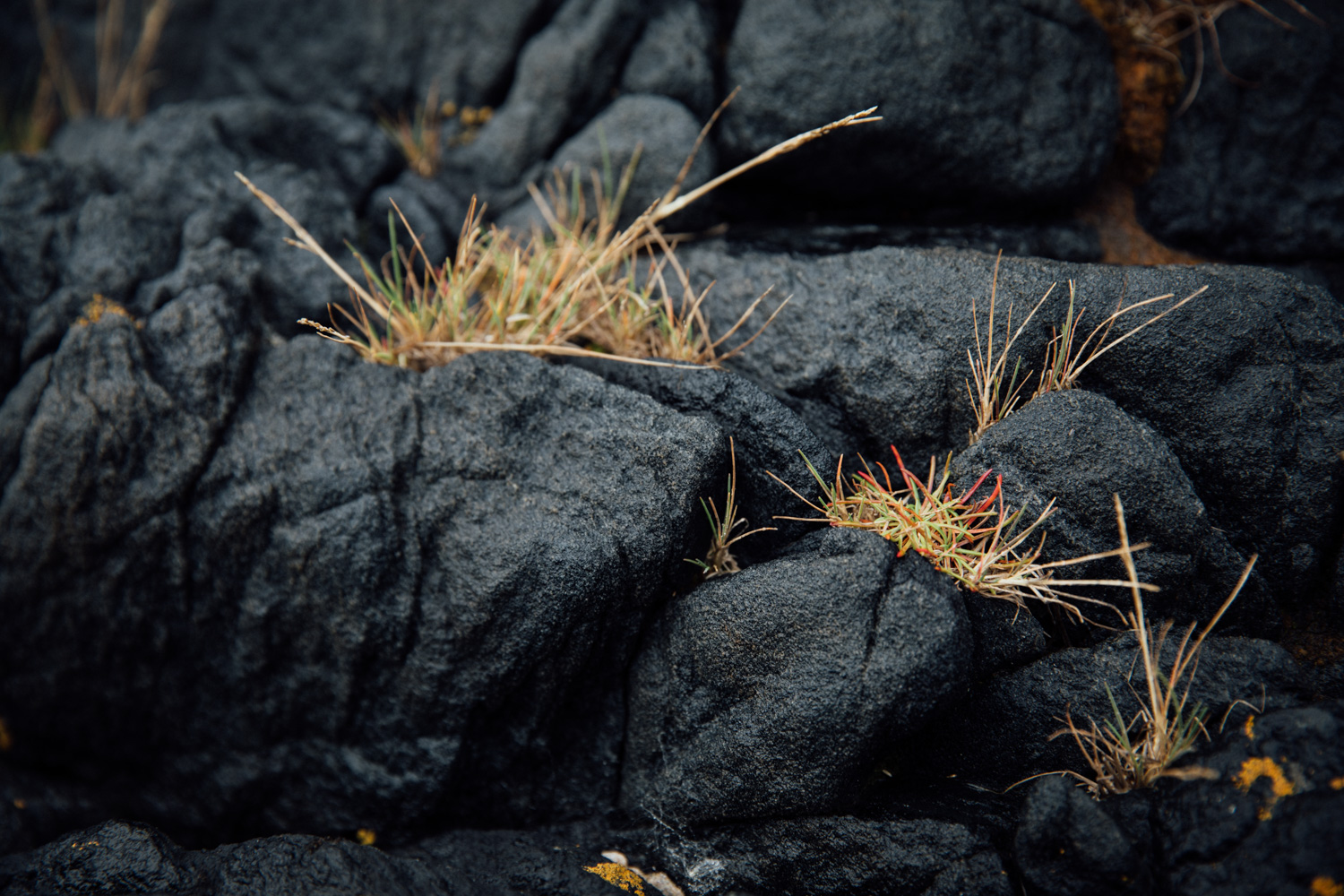
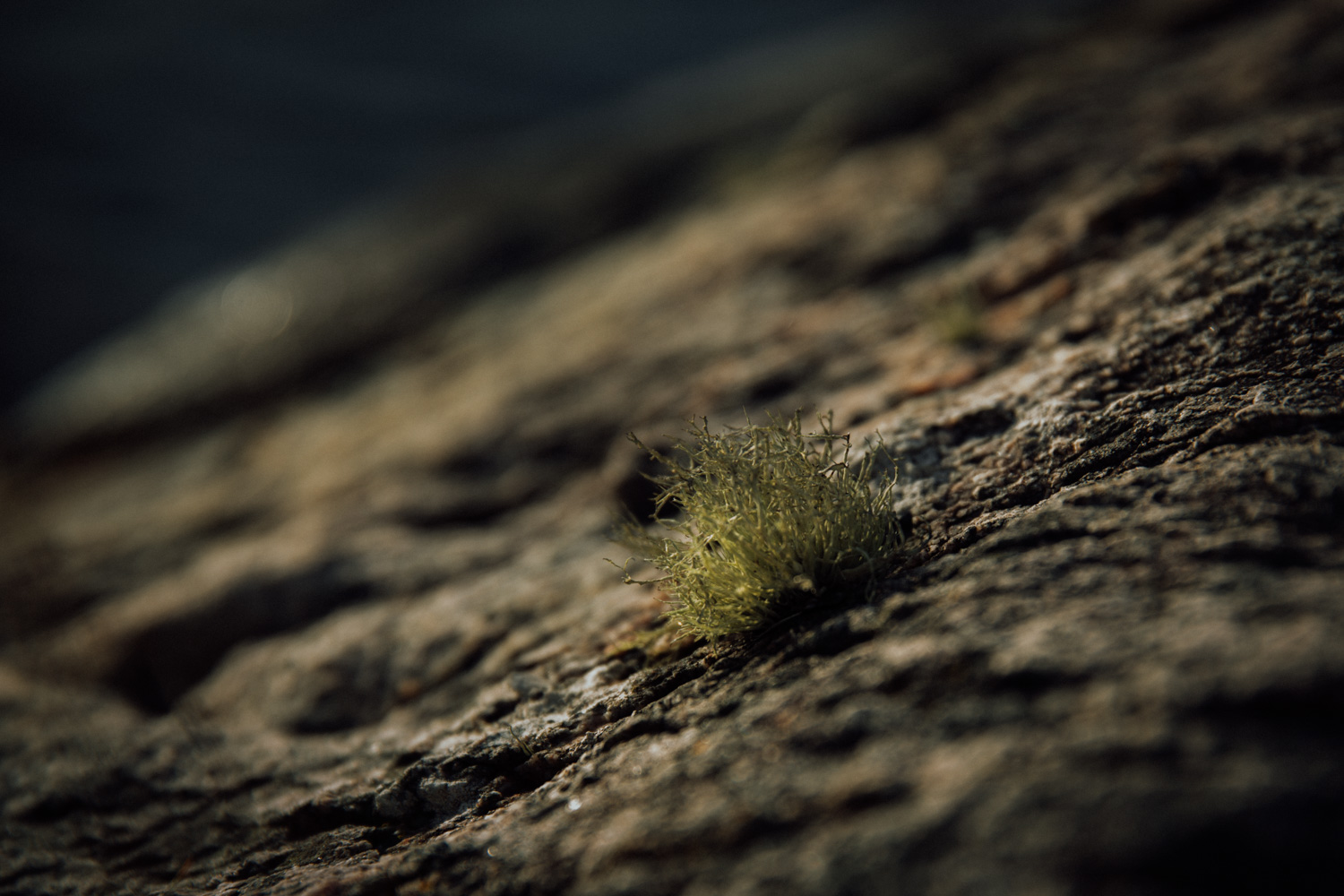
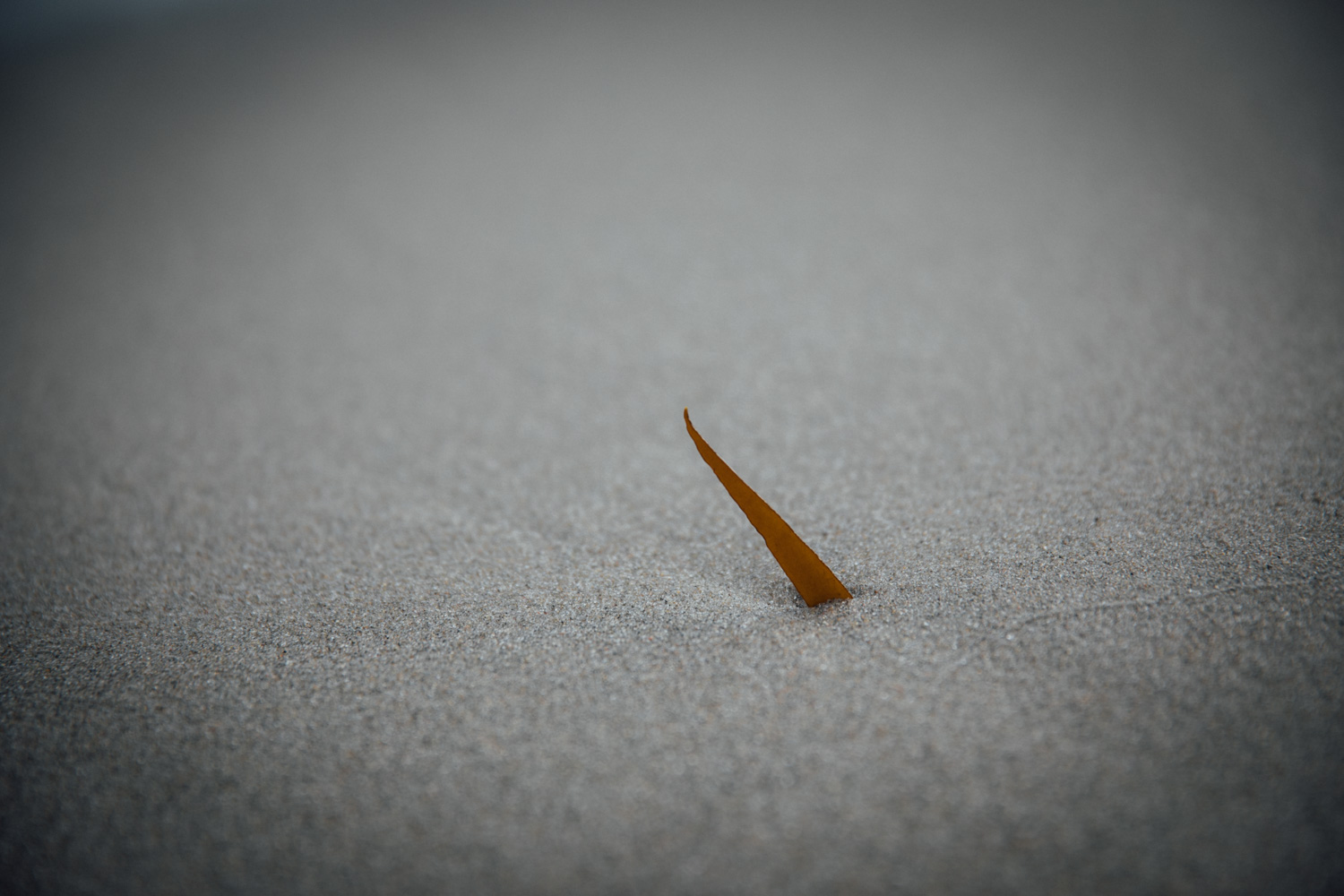
Many coastal details work best when approached with restraint. Instead of filling the frame with multiple elements, the strongest images often rely on simplicity. A single subject placed within a calm environment allows the viewer’s attention to settle. A small shell resting on dark volcanic rock, a strand of seaweed emerging from smooth sand, or faint tidal lines etched into the beach can create images that feel quiet and contemplative. These photographs are not driven by spectacle. They rely on atmosphere and balance. Negative space becomes an important part of the composition, allowing small details to stand out with surprising clarity.
Perspective Close to the Ground

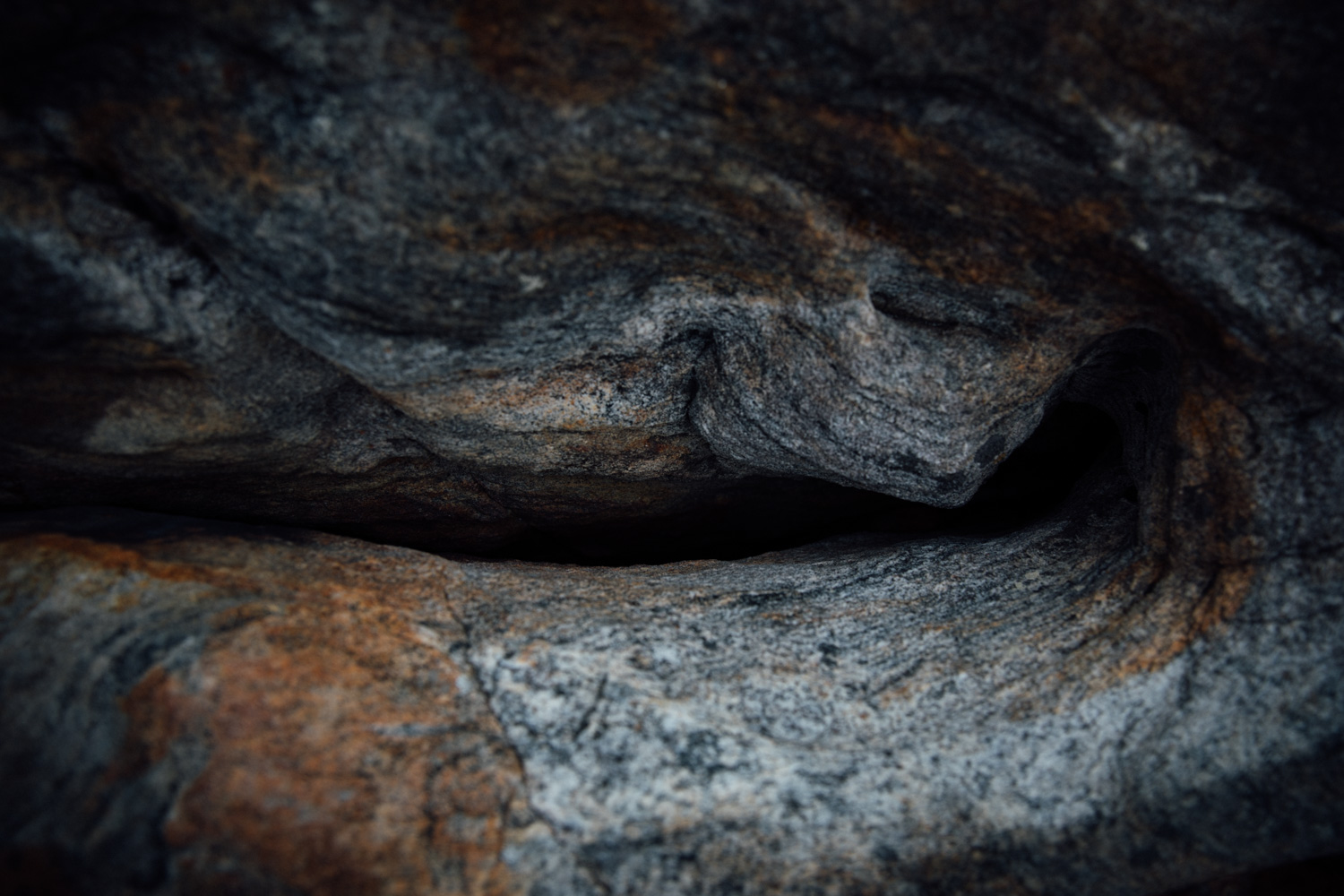
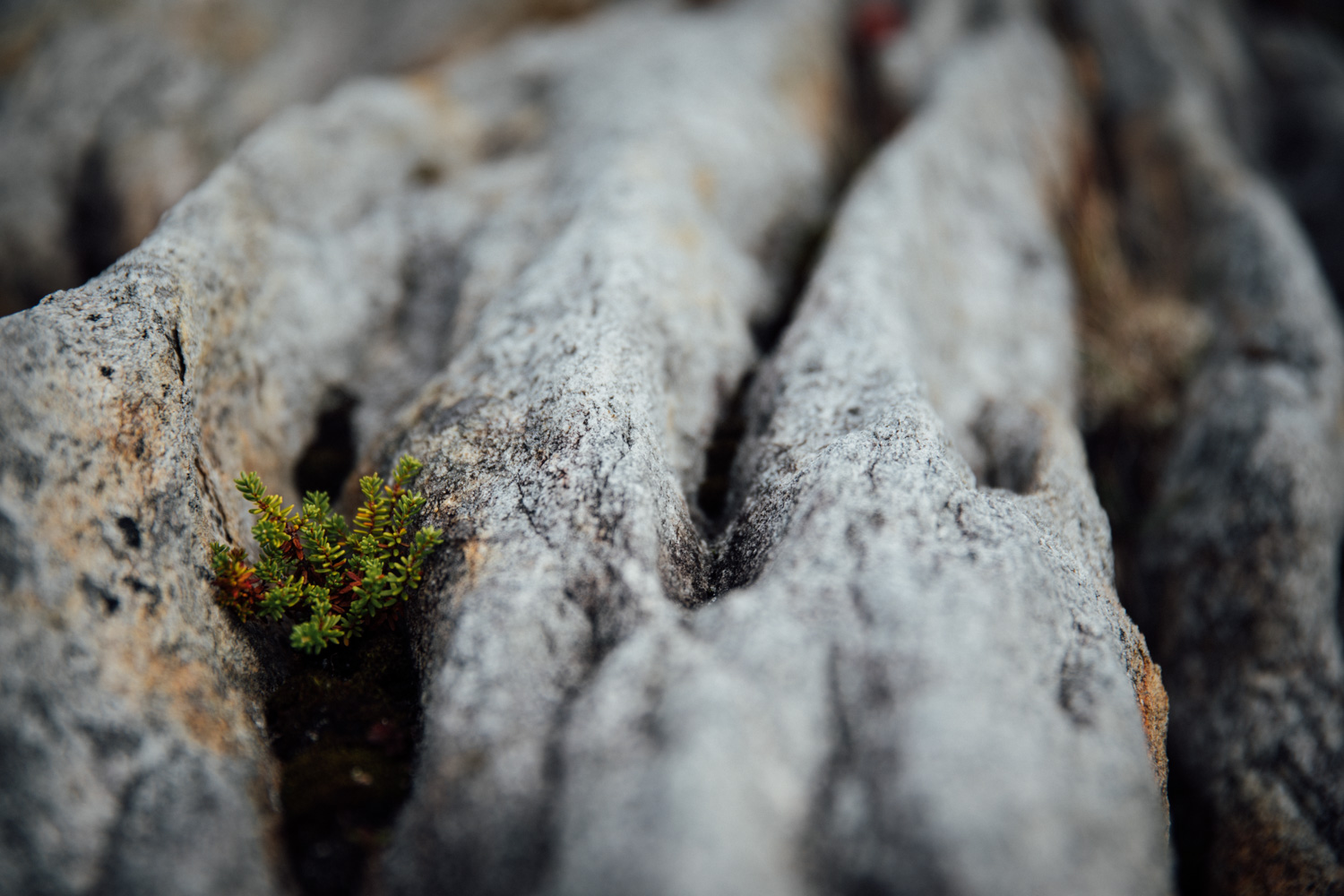
Perspective plays a crucial role in this kind of photography. Most of these subjects reveal their full visual potential only when the camera is brought down to their level. That often means kneeling in the sand or lying flat on the ground, bringing the lens only a few centimeters above the surface. This shift in perspective introduces depth into the image. The foreground becomes large and tactile, while the background fades into softness. Suddenly the beach is no longer a flat surface. It becomes a landscape filled with miniature hills, valleys, and layers. The viewer’s eye is guided through the frame rather than simply scanning across it.


Patience on the Shoreline

Working this way requires patience. Coastal detail photography has little to do with speed. Instead of wandering quickly along the shoreline searching for subjects, it is often more productive to stop within a small area and explore it slowly. A few square meters of beach can hold dozens of potential images. Light changes subtly, water moves across surfaces, and small elements shift with each passing wave. Sometimes a photograph presents itself immediately. In other cases it takes several minutes of observation before the right alignment of light, texture, and composition appears. A thin layer of water might briefly cover a rock and create a reflective sheen. A small wave may reposition a strand of seaweed in just the right way. These moments are subtle, but they are precisely what make the process rewarding.

The Quiet Side of the Coast

Coastal photography is often associated with dramatic scenes: towering cliffs, storms rolling across the ocean, waves crashing against rugged coastlines. These images are powerful and captivating. Yet they represent only one aspect of the shoreline. There is another story unfolding much closer to the ground. The quiet presence of shells, the tangled shapes of seaweed, the intricate patterns carved into wet sand — these details reveal a calmer side of the coast. They invite the viewer to slow down and observe rather than simply admire a grand landscape. Perhaps that is the true fascination of photographing these small coastal worlds. They exist in places we believe we already understand. Most people walk along the beach looking outward toward the horizon, but if we take a moment to look down instead, an entirely different universe appears beneath our feet. Within a few square meters of sand and stone, there are textures, structures, and traces of life that tell their own quiet stories, waiting to be discovered before the returning tide gently erases them again.

Privacy Settings
We use cookies to enhance your experience while using our website. If you are using our Services via a browser you can restrict, block or remove cookies through your web browser settings. We also use content and scripts from third parties that may use tracking technologies. You can selectively provide your consent below to allow such third party embeds. For complete information about the cookies we use, data we collect and how we process them, please check our Privacy Policy
Youtube
Consent to display content from - Youtube
Vimeo
Consent to display content from - Vimeo
Google Maps
Consent to display content from - Google